Robots Are Coming Home: How Humanoids Are Reshaping Work and Life
Get ready for a new co-worker, or maybe even a new housemate. Humanoid robots, fueled by rapidly advancing AI, are moving from sci-fi dreams to tangible reality, poised to transform industries and daily routines.
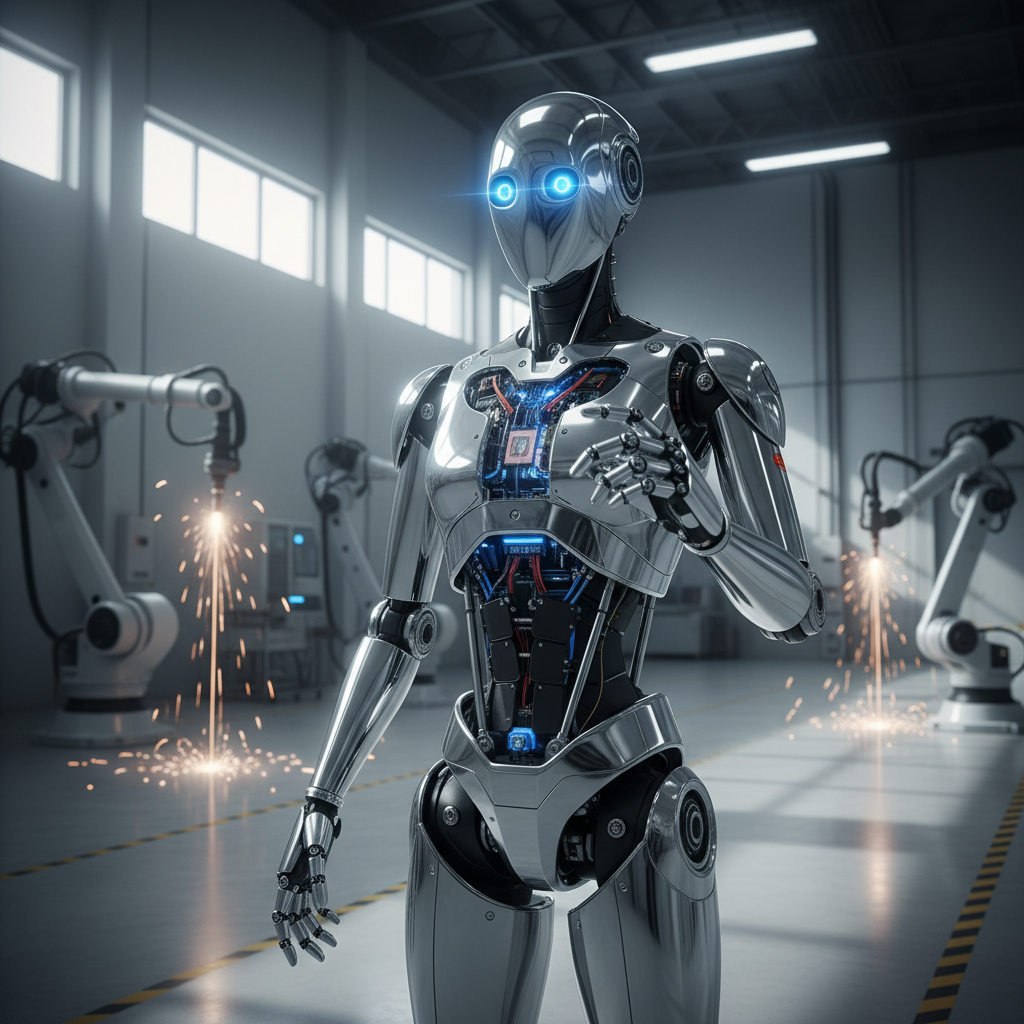
A few years ago, the idea of a humanoid robot seamlessly operating a forklift in a warehouse, or perhaps even folding laundry in your home, felt like something pulled straight from a Hollywood script. Yet, here we are. It's happening faster than most of us anticipated, thanks to a potent mix of sophisticated artificial intelligence, more affordable hardware, and a growing appetite across industries for automation. We're not just talking about industrial arms bolted to factory floors anymore; these are machines designed to walk, grasp, and interact in human environments, potentially redefining everything from manufacturing lines to elder care.
Key Takeaways:
- AI advancements and cheaper hardware are accelerating the deployment of humanoid robots across various sectors.
- Humanoids are moving beyond factories into service roles, logistics, healthcare, and even domestic settings.
- While job displacement is a concern, experts suggest these robots will augment human capabilities and create new roles.
- Ethical considerations like privacy, safety, and equitable access are crucial as these technologies mature.
- The next decade will see a significant shift in how we interact with and rely on robotic assistants.
Remember those clunky, slow robots from decades past? Forget them. Today's prototypes, like those from Boston Dynamics' Atlas or Figure AI's Figure 01, showcase startling agility and dexterity. They're learning to perform complex tasks, not just repetitive ones. The leap from a fixed-arm robot welding car parts to a bipedal machine navigating a busy hospital corridor is immense, and it's a testament to the rapid progress in AI, particularly in areas like computer vision and reinforcement learning. Companies like Tesla are investing heavily in humanoid development, eyeing a future where millions of these versatile machines could perform a wide array of human-centric tasks. It's not just about flashy demos; it's about solving real-world labor shortages and increasing productivity.
In manufacturing, the potential is obvious. Think about assembly lines that struggle to find enough human workers for demanding or monotonous tasks. A robot that can pick up delicate components, place them precisely, and even troubleshoot minor issues could be a game-changer. "We're seeing manufacturers, especially in regions with aging workforces, eagerly explore these options," explains Dr. Lena Karlsson, a robotics economist at the Institute for Advanced Automation Studies. "It's not about replacing humans entirely, but filling gaps and freeing up skilled workers for more complex, creative problem-solving." She points to early deployments in electronics manufacturing, where humanoids are handling intricate wiring and quality control checks with impressive accuracy. Learn more about the intersection of AI and industrial automation.
But it's not just the factory floor where we'll see these mechanical marvels. Logistics and warehousing are ripe for transformation. Imagine a robot that can not only move pallets but also sort individual packages, scan barcodes, and place items on shelves with human-like precision, all while avoiding obstacles and collaborating with human colleagues. Companies like Amazon are already heavily invested in robotics, and humanoids offer the promise of even greater flexibility in unstructured environments. The retail sector, too, could see autonomous assistants stocking shelves, cleaning stores, and even providing basic customer support.
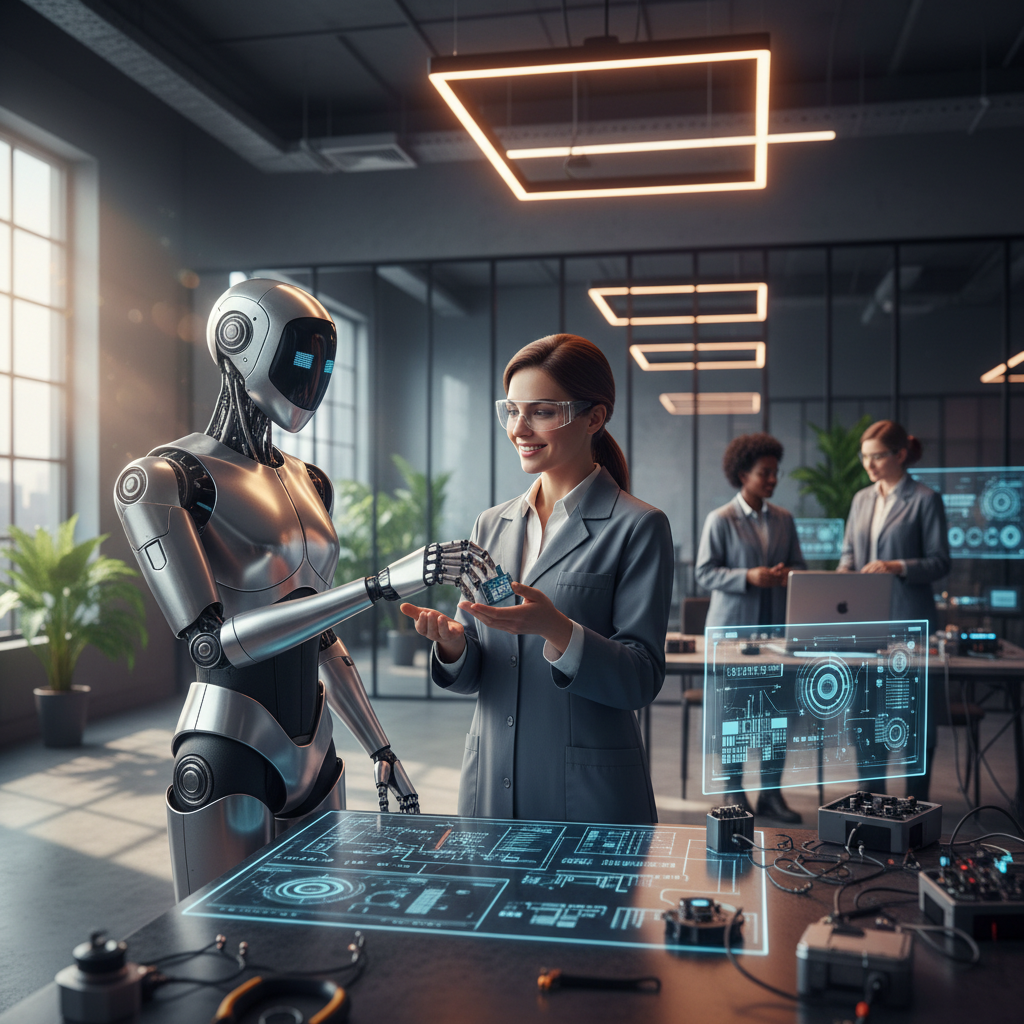
The implications for our homes and daily lives are perhaps even more profound, and certainly more personal. We're talking about assistive robots for the elderly or individuals with disabilities, helping with everything from fetching items to monitoring health. Think about the strain on healthcare systems; a robotic aide could alleviate some of the burden on human caregivers, allowing them to focus on tasks requiring empathy and complex judgment. And yes, eventually, household chores. While the fully autonomous 'Rosie the Robot' from The Jetsons is still a ways off, incremental advancements could see robots assisting with tasks like cleaning, organizing, and even simple meal prep. The cost is a major hurdle right now, but as with all technology, prices will fall as production scales and capabilities improve. Just look at how quickly smartphones became ubiquitous.
Now, let's address the elephant in the room: jobs. Whenever we talk about automation, the specter of widespread unemployment looms large. It's a valid concern, and we shouldn't dismiss it. But it's also not that simple. History shows that technological revolutions tend to create new jobs even as they displace old ones. "We won't just replace human workers one-for-one," argues Marcus Thorne, a labor market analyst specializing in future-of-work trends. "Instead, we'll see a shift in the skills employers demand. There'll be a massive need for robot operators, maintainers, programmers, and ethical oversight specialists. The challenge is ensuring our education and training systems adapt quickly enough." This means a renewed focus on skills for the future of work, emphasizing adaptability and technical literacy.
And then there are the ethical and societal questions. Who is liable if a robot makes a mistake? How do we ensure these machines don't perpetuate or amplify human biases baked into their programming? What about privacy concerns if robots are constantly observing and collecting data in our homes and workplaces? These aren't easy questions, and they demand careful consideration from policymakers, engineers, and the public alike. It's a complex dance between innovation and responsibility. Discussions are already underway globally about regulations for autonomous systems, aiming to strike a balance that fosters progress while safeguarding human values. Read more about the global implications of emerging technologies.
The path ahead isn't without its bumps. Power consumption, battery life, the sheer cost of development and deployment, and the challenge of creating truly robust, general-purpose intelligence are all significant hurdles. But the pace of progress is undeniable. Companies are pouring billions into research and development, driven by the promise of unprecedented efficiency and new service models. We're on the cusp of a robotics revolution that will redefine our relationship with machines, fundamentally altering how we work, live, and interact with the world around us. It's a future that's both exciting and a little daunting, but one that's rapidly becoming our present.
Frequently Asked Questions:
What makes modern humanoid robots different from older industrial robots? Modern humanoid robots are distinguished by their bipedal locomotion, human-like form factors, and advanced AI capabilities that allow them to adapt to unstructured environments, perform diverse tasks, and interact more naturally with humans and objects. Older industrial robots were typically fixed-arm machines designed for repetitive tasks in controlled settings.
Will humanoid robots take all our jobs? While some jobs involving repetitive physical labor may be automated, experts widely predict that humanoid robots will primarily augment human work, taking on dangerous or monotonous tasks and creating new roles in robot maintenance, programming, and oversight. The overall impact is expected to be a transformation of the labor market rather than mass unemployment, requiring a focus on new skills and retraining.
How will humanoid robots be used in homes? In homes, humanoid robots are anticipated to assist with a variety of tasks, including elder care, helping individuals with disabilities, performing household chores like cleaning and organizing, and even providing companionship. Initial applications will likely focus on assistive roles, gradually expanding as costs decrease and capabilities improve.
What are the biggest challenges to widespread humanoid robot adoption? The biggest challenges include the high cost of current prototypes, limitations in battery life and power efficiency, the complexity of achieving true general-purpose dexterity and intelligence, and the need for robust safety standards and ethical guidelines to ensure their responsible integration into society.