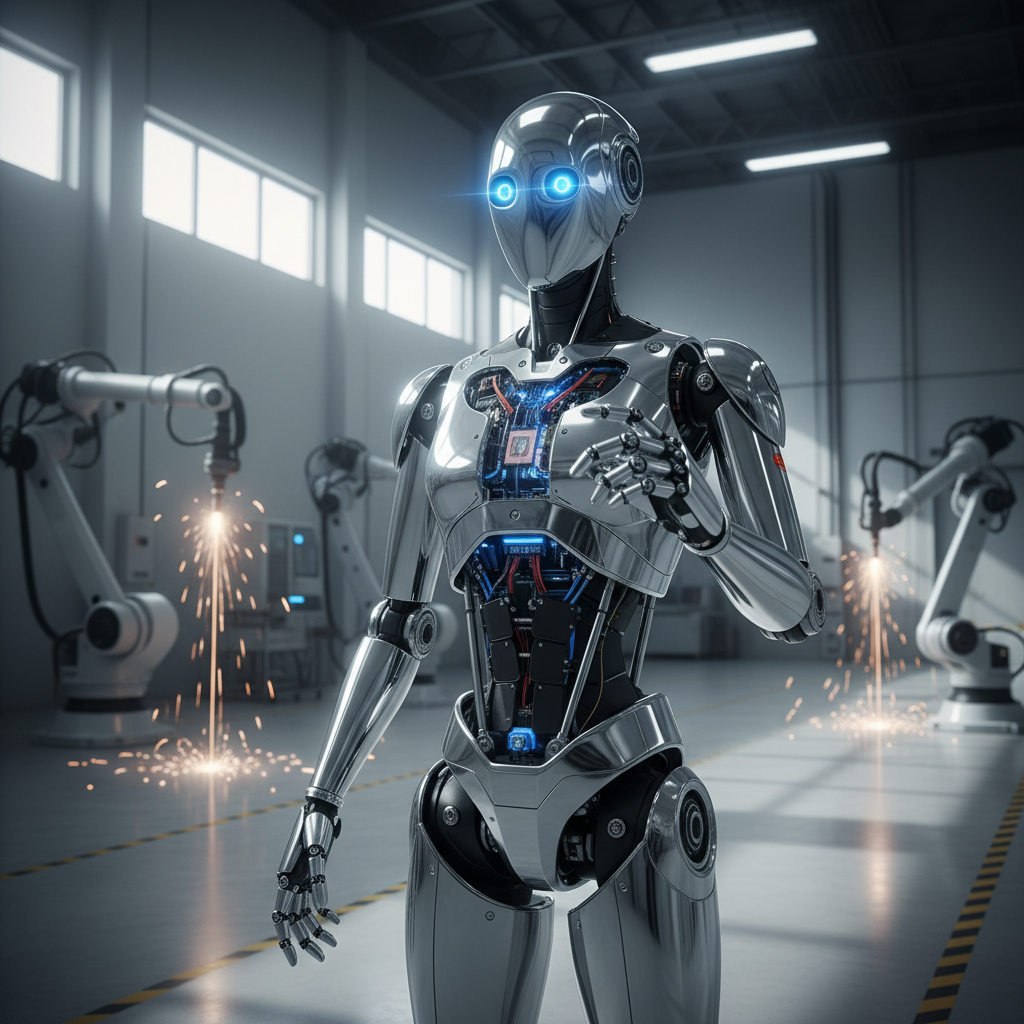
Get ready for a new co-worker, or maybe even a new housemate. Humanoid robots, fueled by rapidly advancing AI, are moving from sci-fi dreams to tangible reality, poised to transform industries and daily routines.
Forget bulky gadgets; the next wave of personal tech is disappearing right onto our faces and wrists. AI-powered glasses and smart assistants are reshaping how we interact with the world, making technology more intuitive.
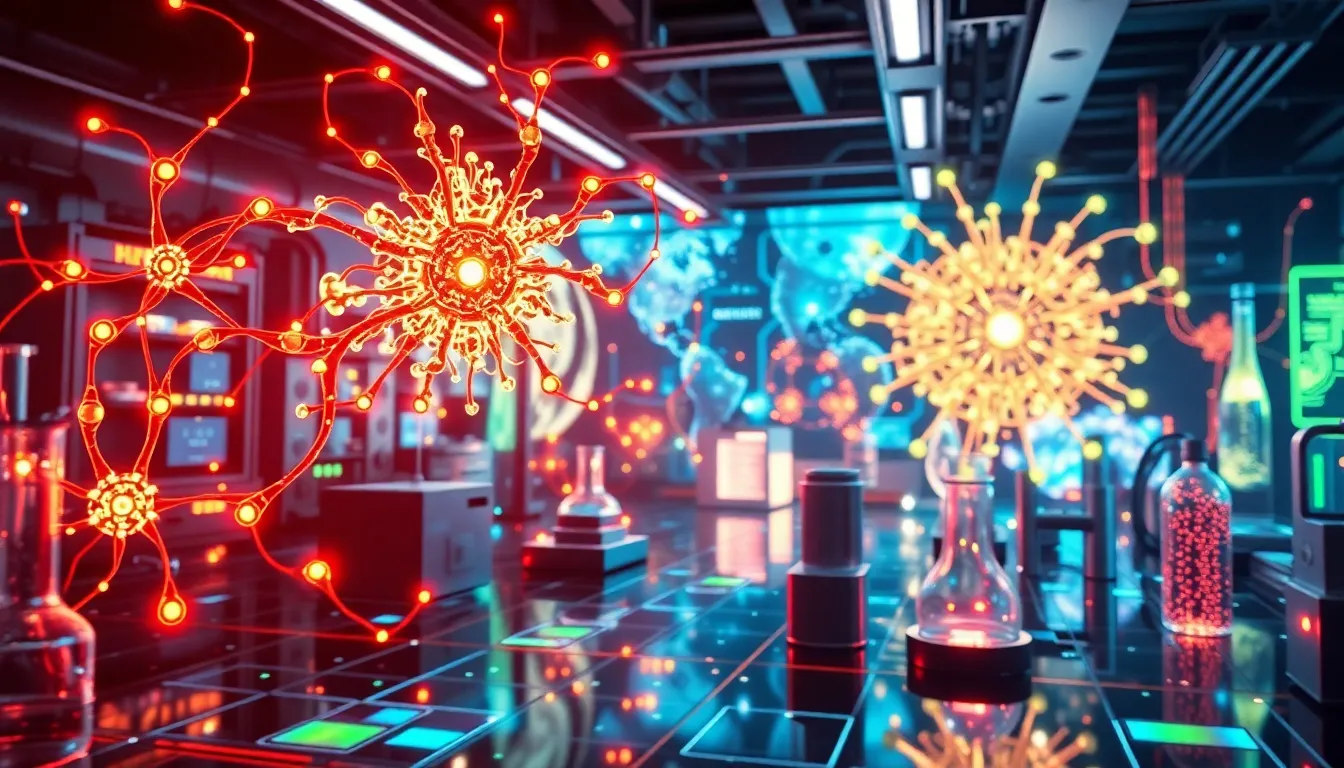
Synthetic biology and bio-computing are rapidly emerging fields poised to revolutionize technology, medicine, and manufacturing by harnessing the power of biological systems.
Technology is transforming every part of human life, from communication and healthcare to education and business. As innovation accelerates, it continues to reshape how we solve problems, connect with others, and imagine the future of society.
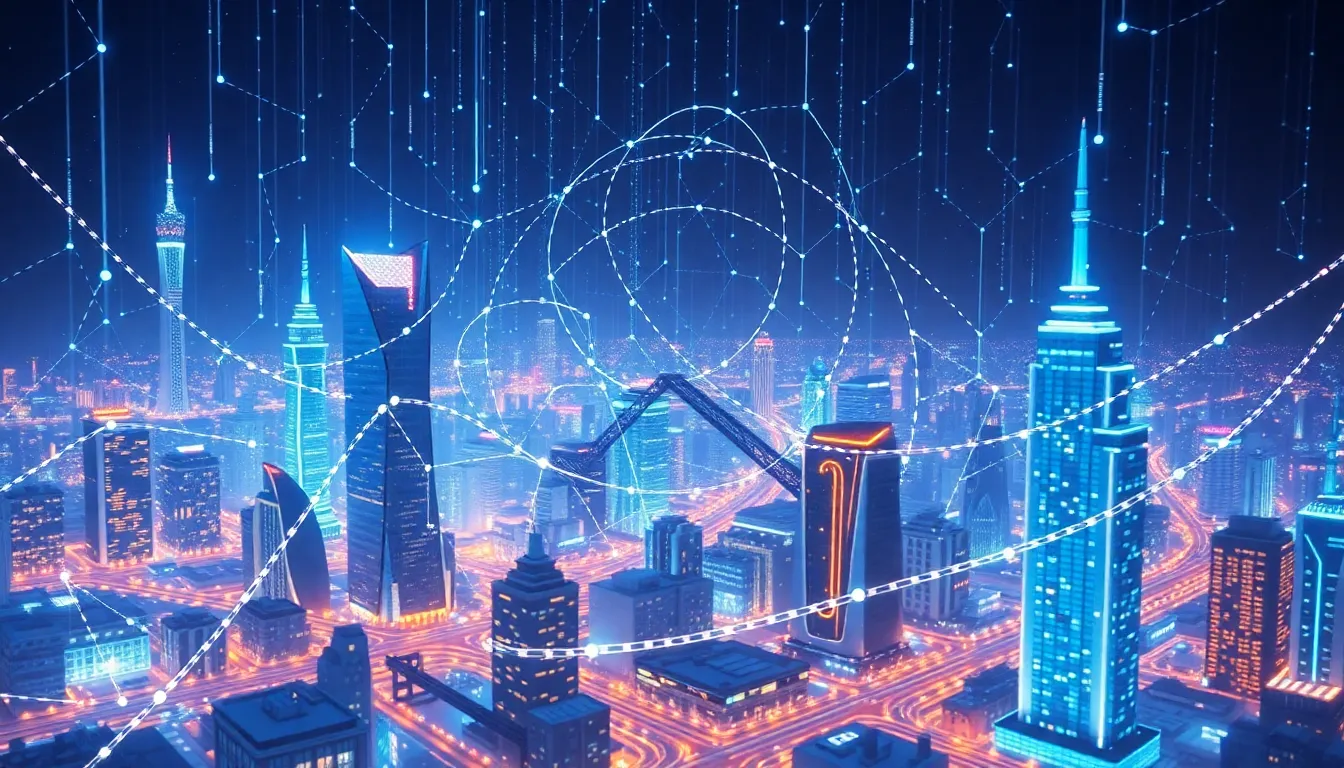
Blockchain and decentralized systems are transforming how data, money, and digital trust work across the internet. By removing central control and enabling transparent, secure networks, they are reshaping industries from finance to supply chains and beyond.
Cloud 3.0 signifies a new era of distributed, specialized cloud computing. This evolution is profoundly linked with the rising imperative for tech sovereignty, reshaping global digital landscapes.
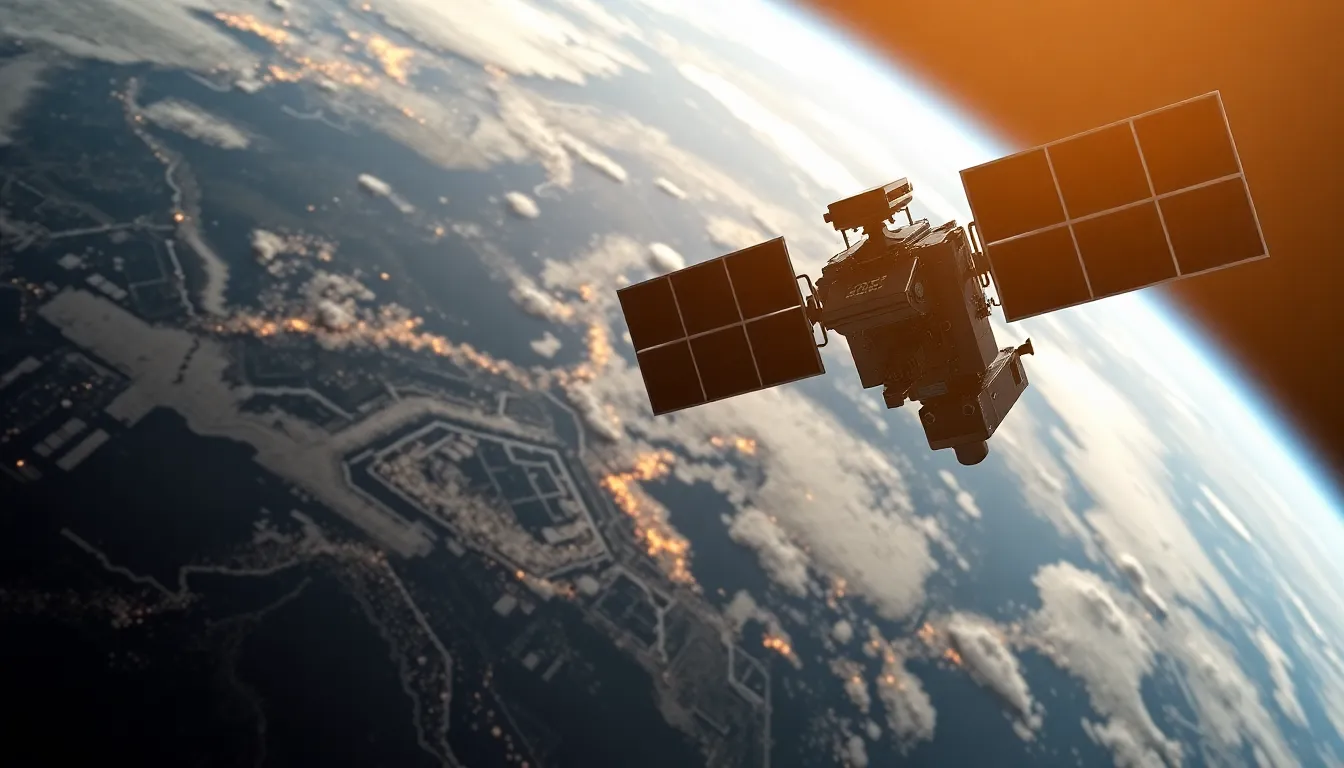
Space internet is transforming how the world connects. With satellite networks like Starlink, even remote villages, oceans, and deserts can access high-speed internet. This revolution is closing the digital gap and reshaping communication on a global scale.
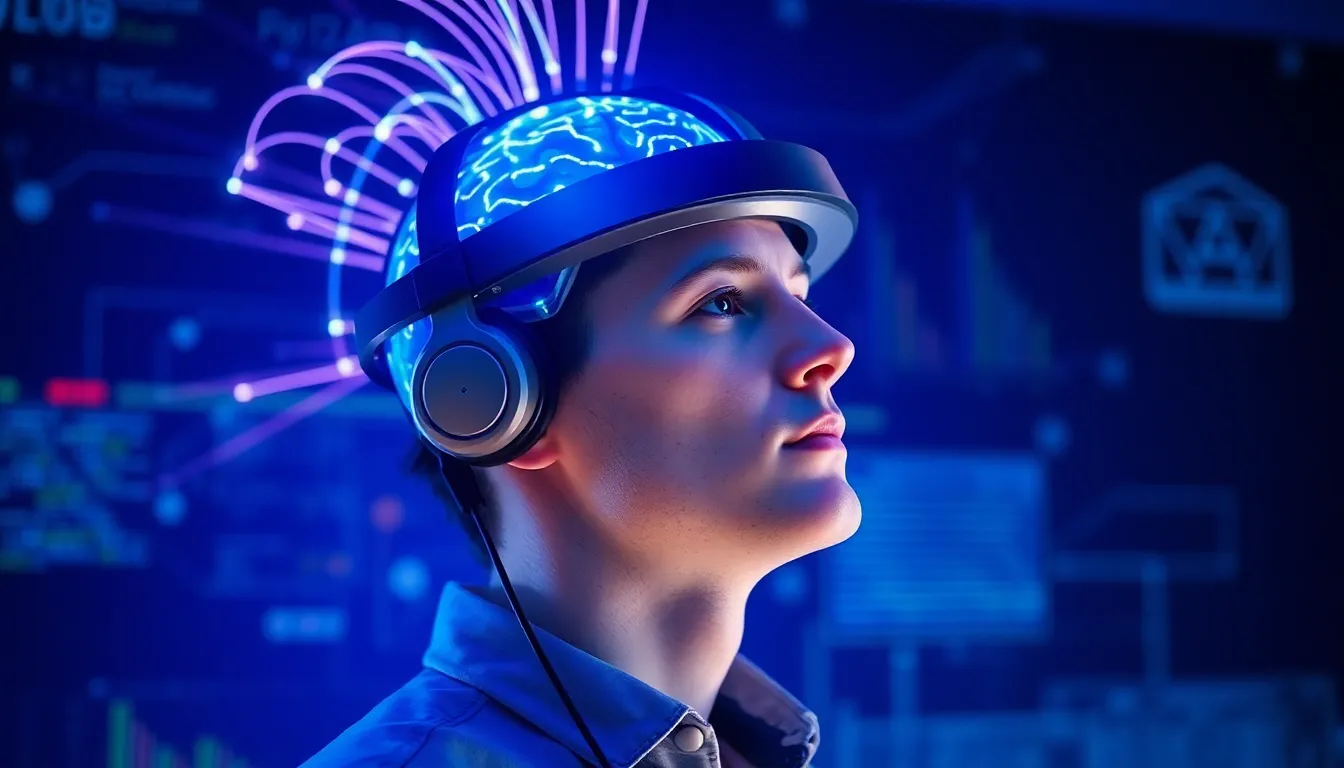
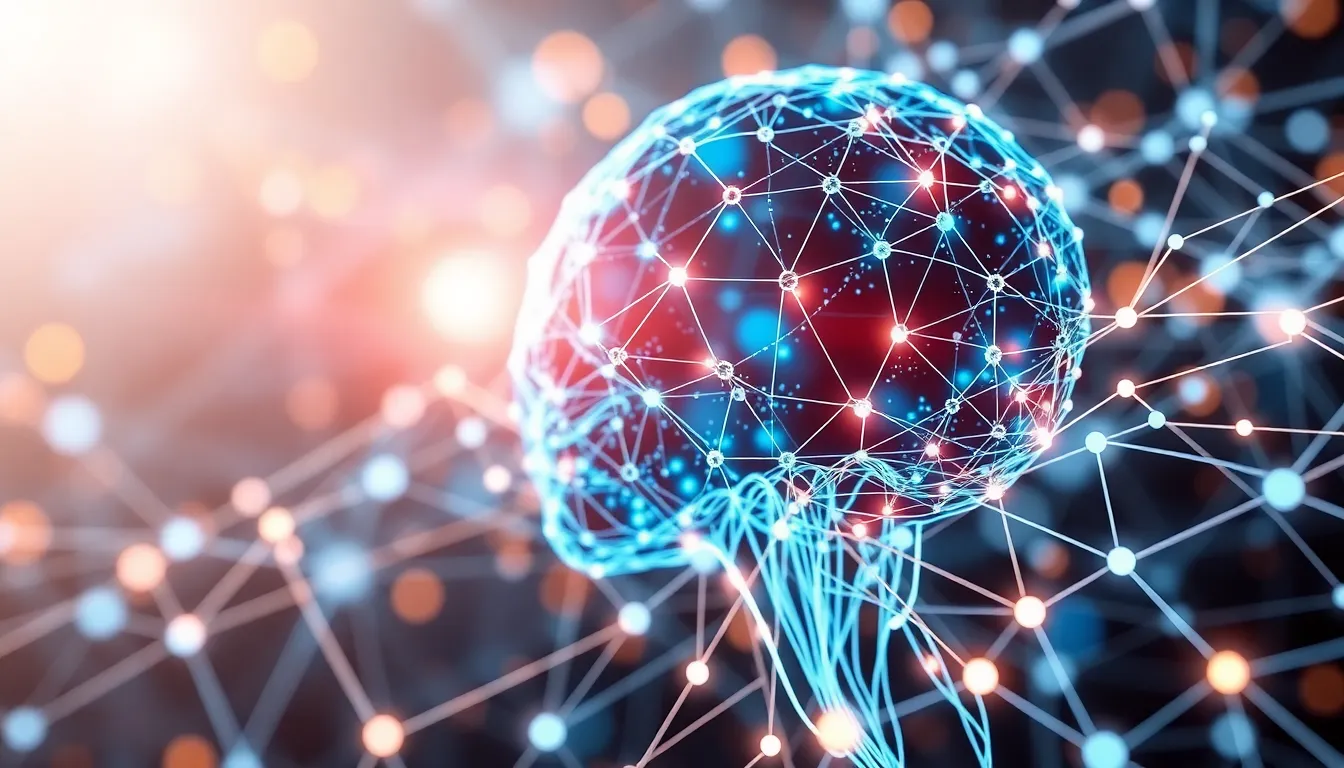
Brain–Computer Interfaces (BCIs) are emerging technologies that connect the human brain directly to machines, allowing thoughts to control devices without physical movement. From helping paralyzed patients walk again to enabling “mind-typing,” this futuristic innovation is no longer science fiction—it’s becoming reality.
Edge Computing is a modern technology that processes data closer to where it is created, instead of relying only on distant cloud servers. This approach reduces delays, improves speed, and powers real-time applications like smart cities, autonomous vehicles, and IoT devices.
Quantum Computing is an emerging technology that uses the principles of quantum physics to process information in ways traditional computers cannot. It promises to solve complex problems faster and transform industries like medicine, cybersecurity, and science.
Cloud computing and distributed systems form the backbone of today’s digital infrastructure, enabling scalable, flexible, and efficient computing solutions. This article explores their architecture, benefits, challenges, and future impact on technology and business.
Artificial Intelligence (AI) and Machine Learning (ML) are at the forefront of technological innovation, enabling systems to learn, adapt, and make intelligent decisions. This article explores their impact, applications, challenges, and future potential across industries.
 Technology