Beyond the Smartphone: AI Wearables and the Rise of Invisible Tech
Forget bulky gadgets; the next wave of personal tech is disappearing right onto our faces and wrists. AI-powered glasses and smart assistants are reshaping how we interact with the world, making technology more intuitive.
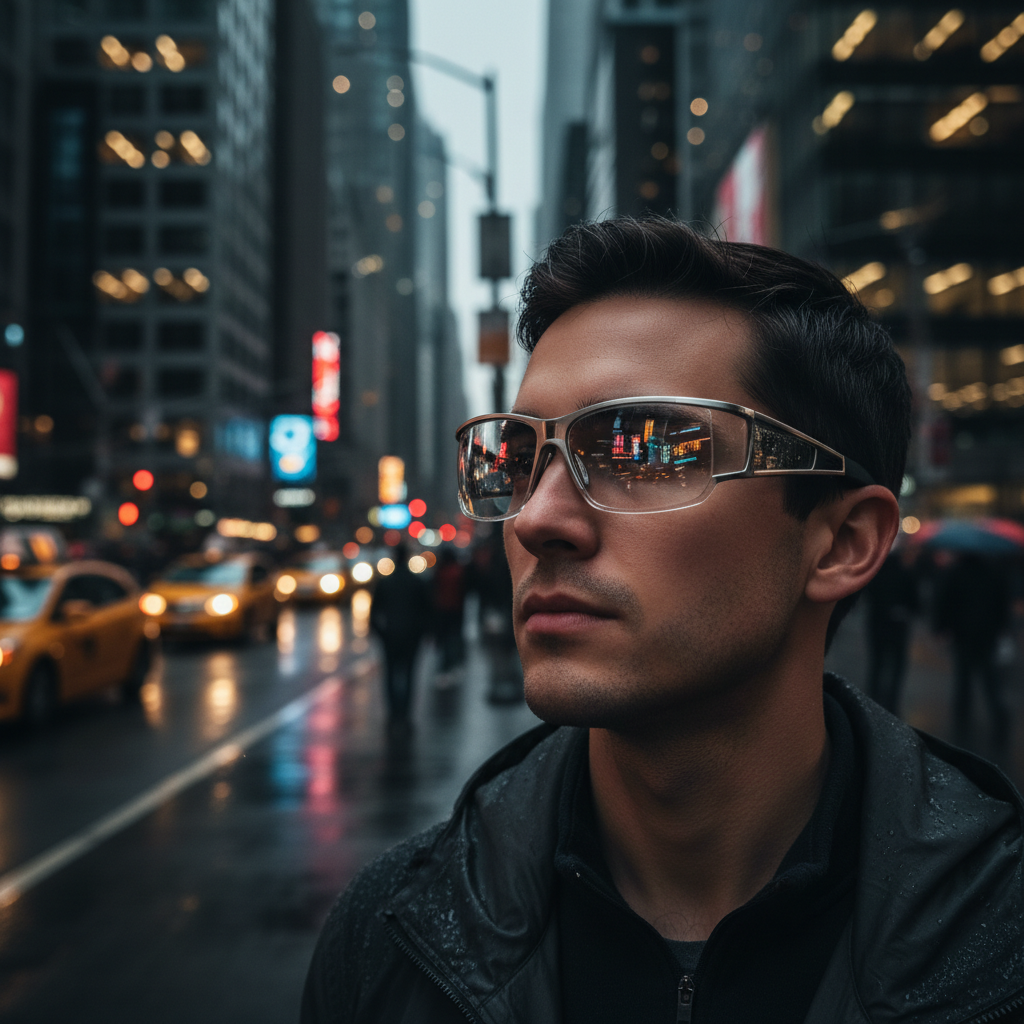
Imagine this: You're walking through an unfamiliar city, glancing at a historical monument. Instantly, a soft voice in your ear, or a subtle overlay in your vision, offers a snippet of its history. No fumbling for a phone. No breaking stride. That's not science fiction anymore; it’s the quiet promise of AI wearables and next-generation smart devices, moving us into an era where technology isn't just on us, but truly a part of us.
For years, we've lived with smartwatches buzzing on our wrists and virtual assistants echoing from kitchen counters. But the game's changing. We're seeing a shift from passive data collection to genuinely proactive, intelligent assistance woven seamlessly into the fabric of our daily lives. These aren't just incremental upgrades; they're foundational shifts in how we relate to the digital world. Think less about interacting with a screen, and more about engaging with an intelligent layer over reality itself.
Key Takeaways:
- AI-powered glasses are bringing real-time information and communication directly into our field of vision.
- Smart assistants are evolving beyond static speakers, becoming contextually aware and proactively helpful in everyday devices.
- The push is towards 'invisible tech' where devices blend into personal style and offer assistance without obvious interaction.
- Privacy concerns, data security, and the potential for digital overload remain critical challenges for adoption.
- The market for these devices is set for significant growth, with analysts predicting a strong trajectory over the next decade.
One of the most talked-about frontiers is AI glasses. Companies like Meta, with their Ray-Ban Smart Glasses, and newer entrants like XREAL, are pushing devices that look remarkably like regular eyewear. But they're anything but. These glasses can capture photos and videos, handle calls, and, crucially, integrate smart assistant functionality. Imagine a pair of glasses that can translate a foreign menu in real-time as you look at it, or give you directions with subtle visual cues on the lens. That kind of augmented reality, once confined to clunky headsets, is now shrinking down.
“It’s not just about seeing information; it’s about understanding your environment in a richer, more contextual way,” says Dr. Lena Hansen, a leading researcher in human-computer interaction at Stanford University. “These devices aren’t just displays; they’re filters, interpreters, and quiet partners. The goal is to enhance reality, not replace it, and that’s a very nuanced dance.” And she's right. The subtle integration is key. No one wants to walk around with a clunky computer strapped to their face. The design has to be elegant, discreet, and frankly, cool. That's a big part of why mainstream adoption has been slow in the past.
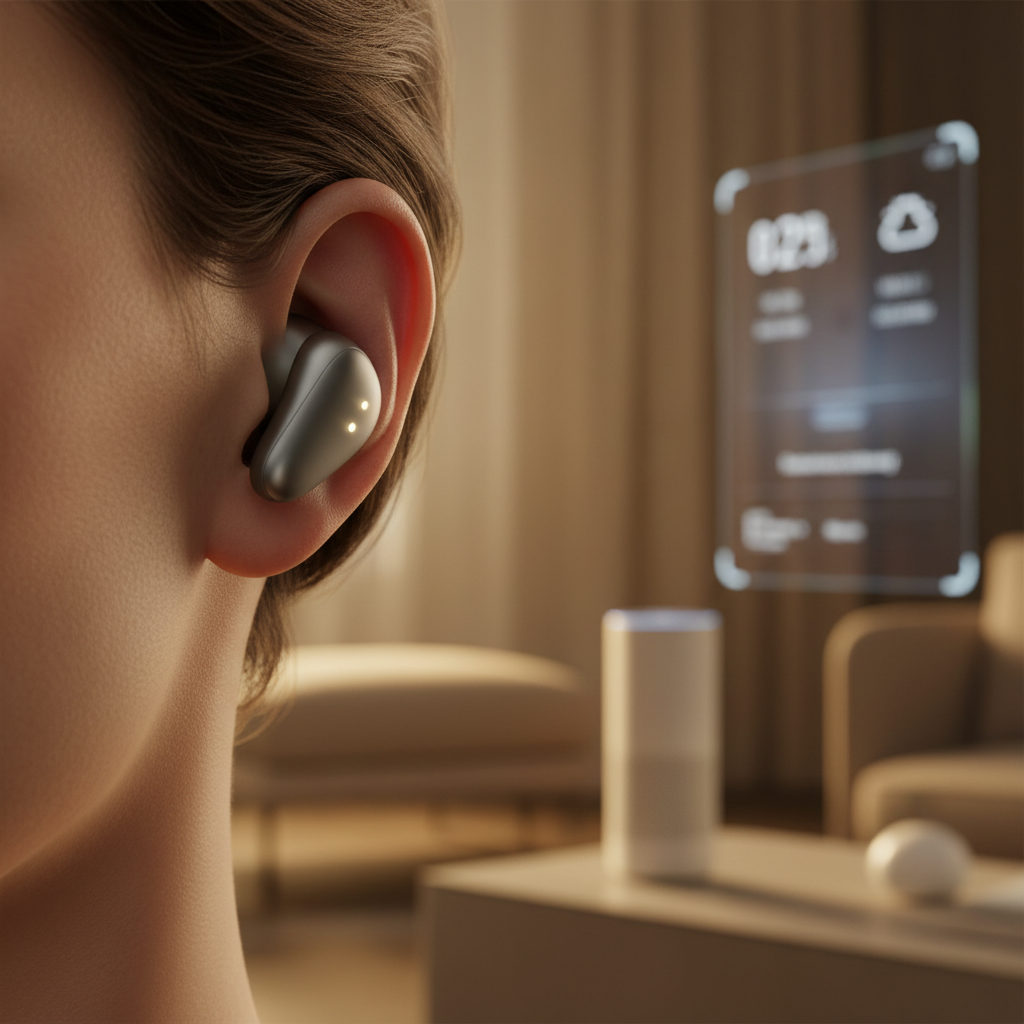
Smart assistants, too, are breaking free from their cylindrical confines. They're embedding themselves into everything. We're talking about AI in your earbuds that can summarize a meeting you just missed or offer gentle coaching during a workout based on biometric data. Your car's navigation system might not just tell you where to turn, but proactively suggest alternative routes based on your calendar appointments, knowing you're late for a meeting. This isn't just about voice commands; it's about intelligent systems anticipating your needs and offering solutions before you even articulate the problem. It’s a profound shift towards truly proactive assistance learn more about the future of work.
Then there are the less obvious contenders. Smart rings, for example, are gaining traction for health monitoring, silently tracking sleep patterns, heart rate variability, and activity levels. They offer a more discreet alternative to smartwatches for those who prefer minimal wrist-wear. We're also seeing early explorations into neural interfaces, albeit in very nascent stages. These are devices designed to read brain signals, offering new avenues for control and interaction. While still deep in the lab for consumer applications, the long-term vision is clear: direct, intuitive command over our digital tools. It's not just about what we wear, but how we connect, literally, with our technology.
But it's not all seamless integration and predictive brilliance. There are significant hurdles. Privacy, for starters, is a massive concern. If glasses are always recording, or earbuds are always listening, where does our personal data go? Who owns it? And what about the potential for constant digital noise? We're already overwhelmed by notifications. Will these new devices simply add another layer of distraction, or can they truly filter the signal from the noise? These are not trivial questions. “Consumers are rightly wary of always-on cameras and microphones,” notes Michael Chen, CEO of AuraTech Innovations, a firm specializing in secure AI hardware. “The industry absolutely must prioritize transparency and user control if these devices are to earn widespread trust. Without it, even the most innovative tech will sit on shelves.”
And let's not forget the sheer technical challenge. Battery life remains a stubborn problem for many miniaturized, always-on devices. Processing power has to be robust enough to handle complex AI tasks locally, protecting privacy, but also efficient enough to last all day. Developing intuitive, unobtrusive interfaces that don't require constant attention is another engineering marvel in the making. The road to truly invisible tech is paved with complex algorithms and ingenious hardware explore advances in AI automation.
Despite the challenges, the market is undeniably bullish. Analysts at Grand View Research predict the global AI in wearables market size will reach over $30 billion by 2030, growing at a compound annual growth rate of nearly 20% from 2023. That’s a lot of smart glasses, rings, and headphones. This growth isn't just about gadget lust; it reflects a fundamental human desire for frictionless interaction with information and assistance. We want our tools to understand us, to anticipate, to disappear when not needed, and to be there instantly when they are. These devices promise a future where technology truly augments human capability, making us more efficient, more informed, and perhaps, more connected to the world around us, rather than less.
The future of personal tech isn't about bigger screens or faster processors; it’s about subtlety, context, and intelligence. It’s about technology blending into the background, becoming an extension of ourselves rather than a separate device we constantly interact with. The journey has just begun, and it promises to redefine our relationship with the digital realm entirely discover more about technology trends.
Frequently Asked Questions:
-
What are AI wearables? AI wearables are smart devices, often worn on the body, that integrate artificial intelligence to provide enhanced functionality, proactive assistance, and context-aware interactions. This goes beyond basic fitness tracking to offer features like real-time translation or intelligent notifications.
-
How do AI glasses work? AI glasses typically feature embedded cameras, microphones, and speakers, paired with an onboard processor running AI models. They can capture environmental data, perform real-time analysis, and present information visually on discreet lenses or aurally through integrated speakers, often connected to a smartphone for more complex tasks.
-
What are the main concerns with this new wave of tech? The primary concerns revolve around privacy, specifically the collection and security of personal data through always-on cameras and microphones. There are also worries about potential digital overload, the ethical implications of AI bias, and the challenge of ensuring equitable access to these advanced technologies.
-
How will these devices impact daily life? They're expected to streamline many daily tasks by offering immediate information, proactive assistance, and hands-free communication. This could range from enhanced navigation and language translation to more efficient professional workflows and deeper insights into personal health, ultimately making interactions with our environment more fluid.