Picture yourself coding from a cafe in Lisbon, or strategizing marketing campaigns from a beach in Bali. Digital nomadism isn't just a fantasy; it's a rapidly growing reality reshaping how we think about work.
AI isn't just changing jobs; it's demanding a complete overhaul of our skills. Get ready to adapt, learn, and lean into uniquely human strengths, because the future of work is already here.
The traditional linear career path is giving way to fractured career identities, a complex tapestry of diverse roles, skills, and professional affiliations. This shift challenges conventional notions of loyalty and stability.
The gig economy is transforming the way people work, offering flexibility, independence, and new income opportunities through freelance and short-term jobs. As digital platforms continue to grow, gig work is reshaping careers, business models, and the future of employment itself.
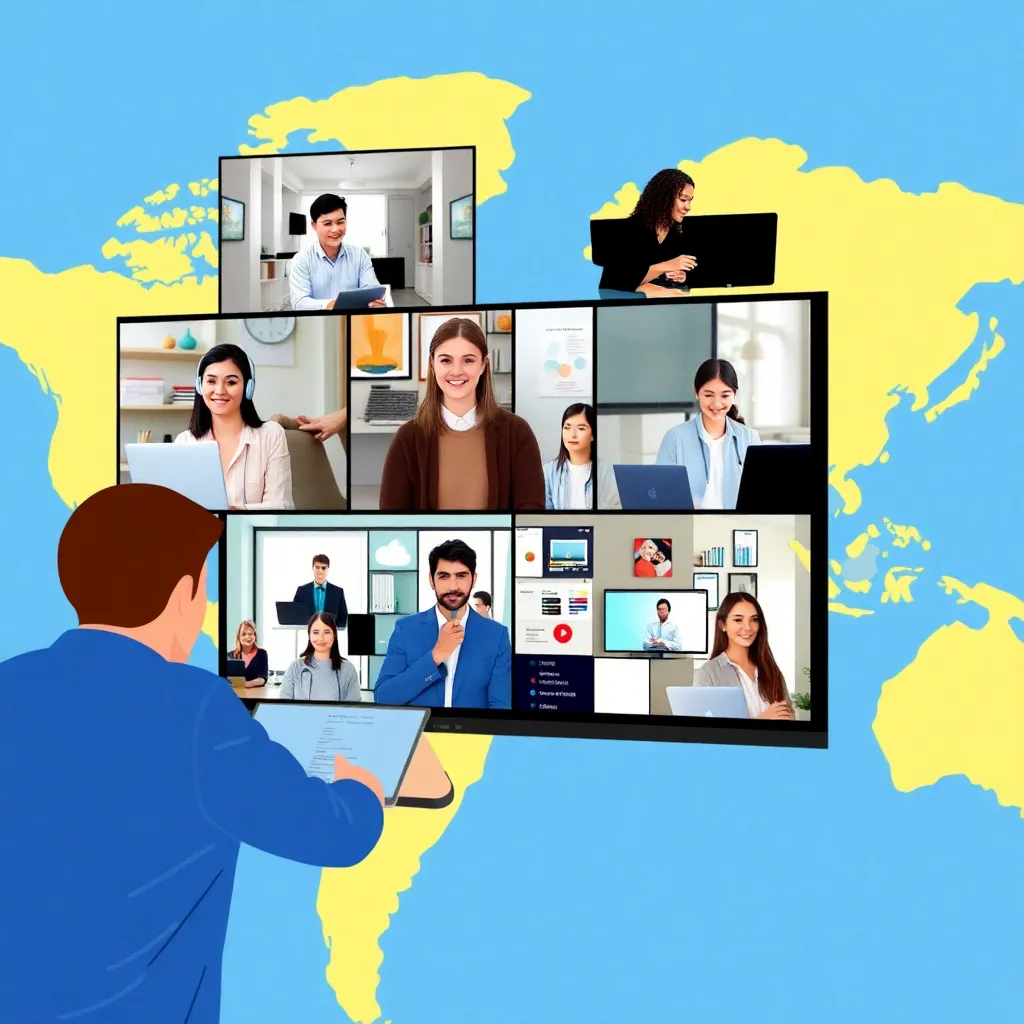
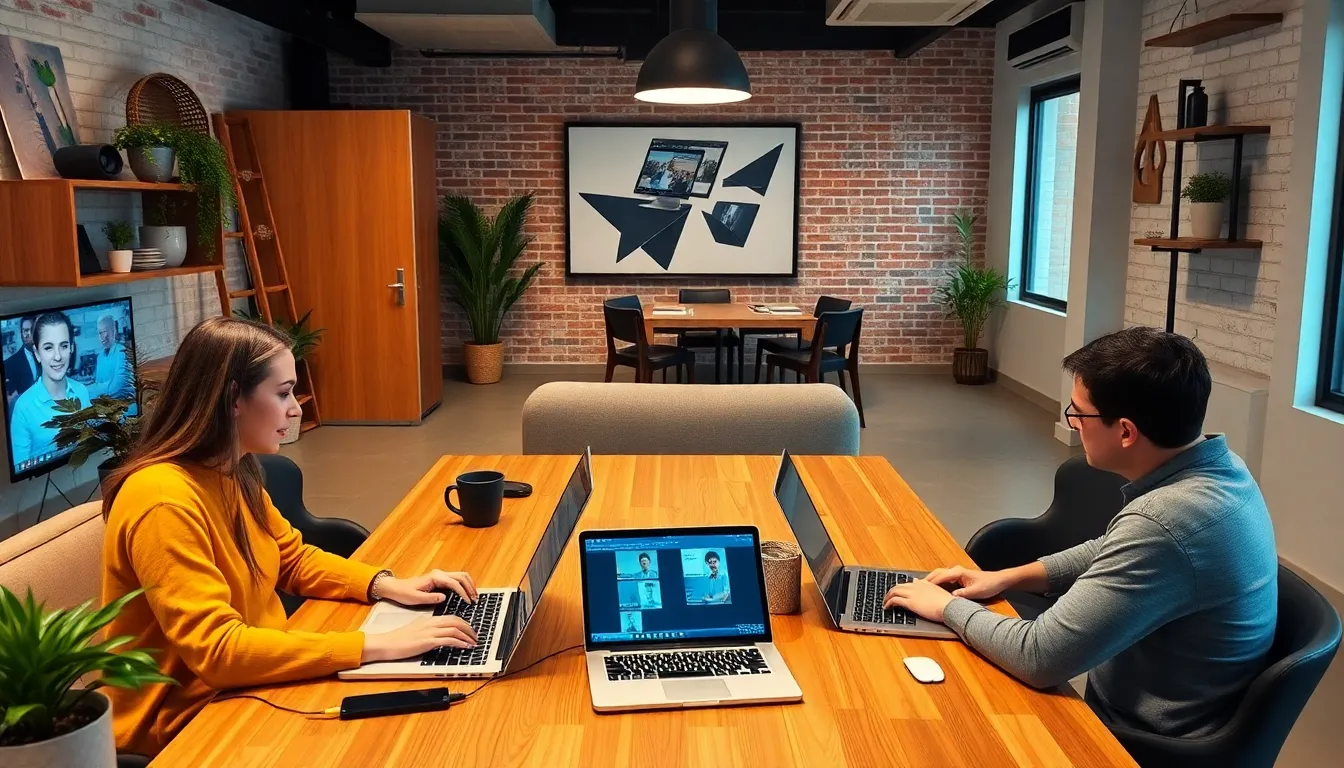
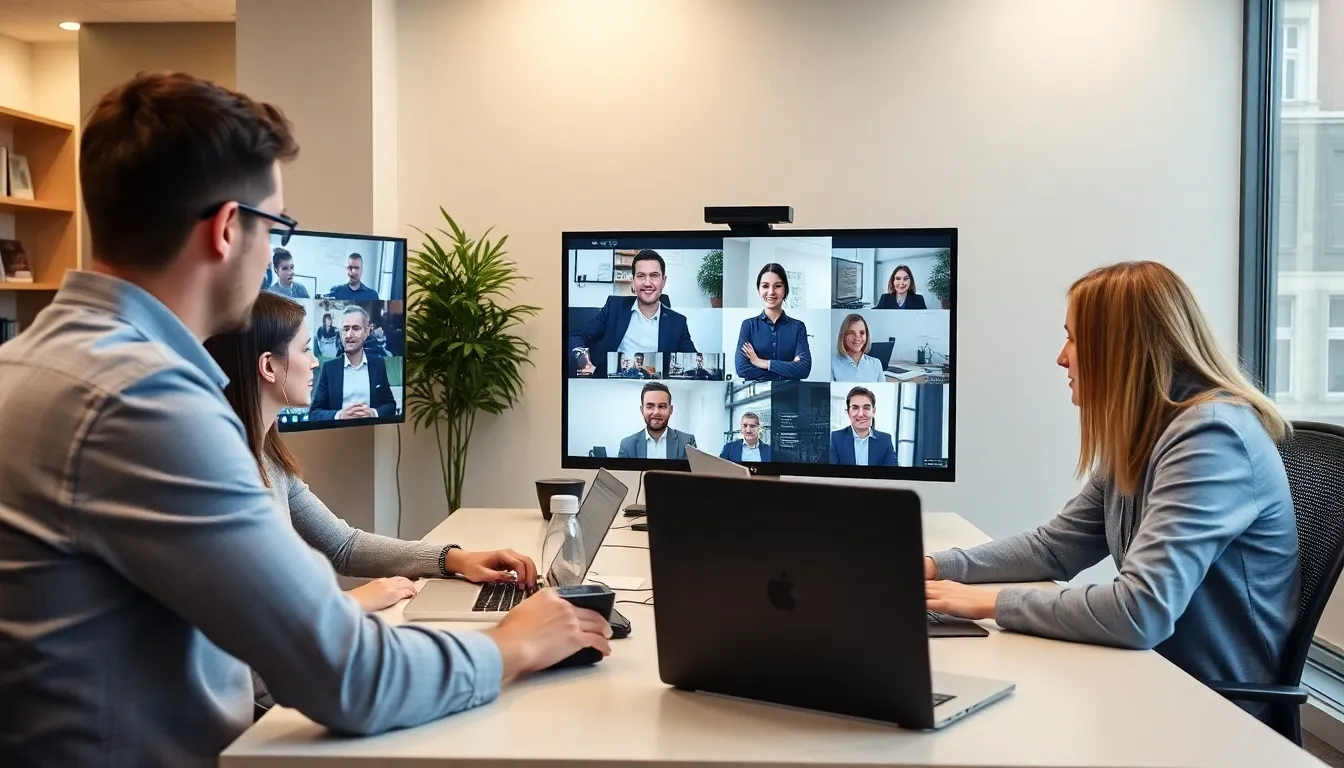
Remote work and digital collaboration have transformed the modern workplace, changing how teams communicate, share ideas, and stay productive across distances. As technology continues to evolve, flexible work is becoming more than a trend—it’s reshaping the future of work itself.
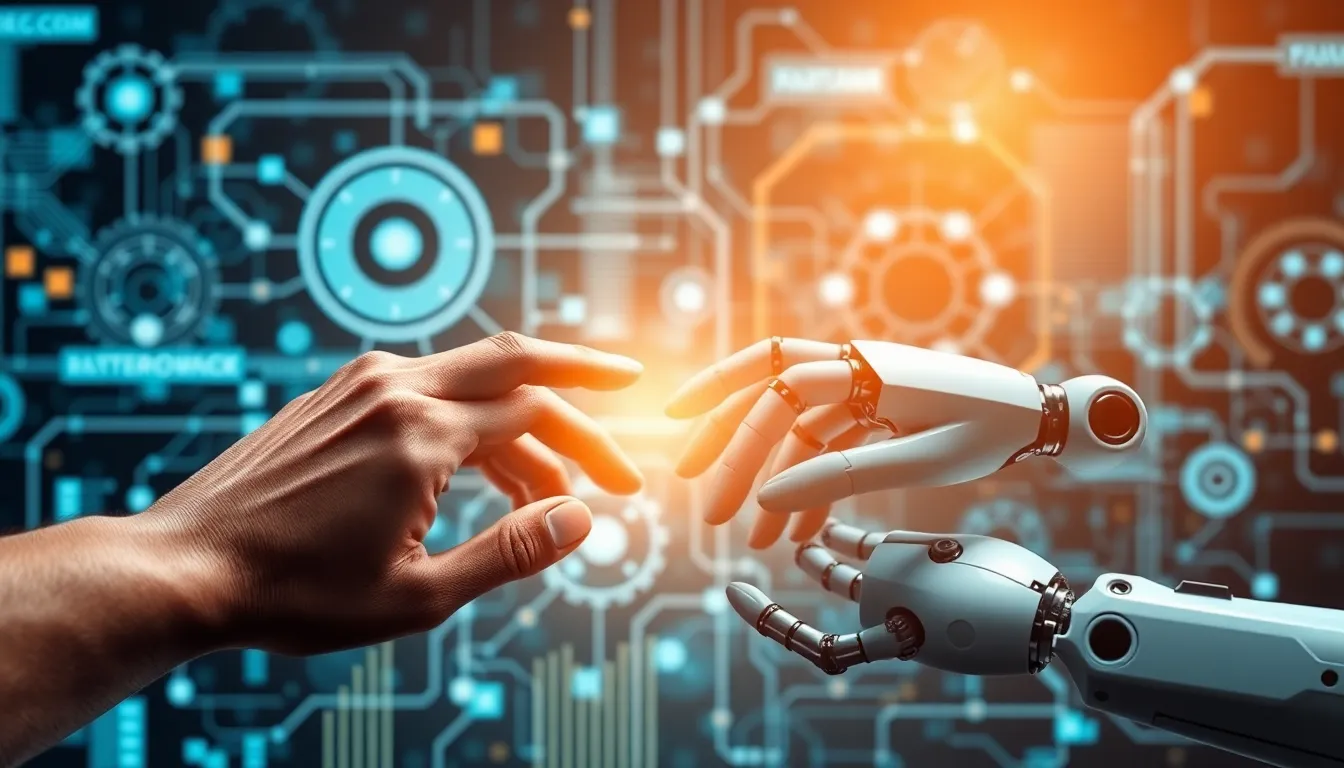
The "Human-in-the-Loop" (HITL) economy is redefineing work, integrating human cognitive abilities with AI to enhance efficiency, accuracy, and innovation across diverse industries.
The gig economy and freelance platforms are reshaping how people earn, work, and build careers. With flexibility, independence, and global opportunities, more individuals are choosing work that fits their lives—not the other way around.
The AI-augmented workforce is not about replacing humans—it’s about enhancing what people can do. By combining human creativity with artificial intelligence, organizations are creating smarter, faster, and more meaningful ways of working.
Remote and hybrid work models are reshaping the modern workplace, offering flexibility, freedom, and new challenges. As organizations adapt, employees are discovering new ways to stay productive, connected, and balanced in a world where work is no longer tied to a single location.
Artificial Intelligence (AI) is rapidly changing the workplace by automating tasks, improving decision-making, and reshaping job roles. From chatbots to data analysis tools, AI is becoming a powerful partner in modern work environments.
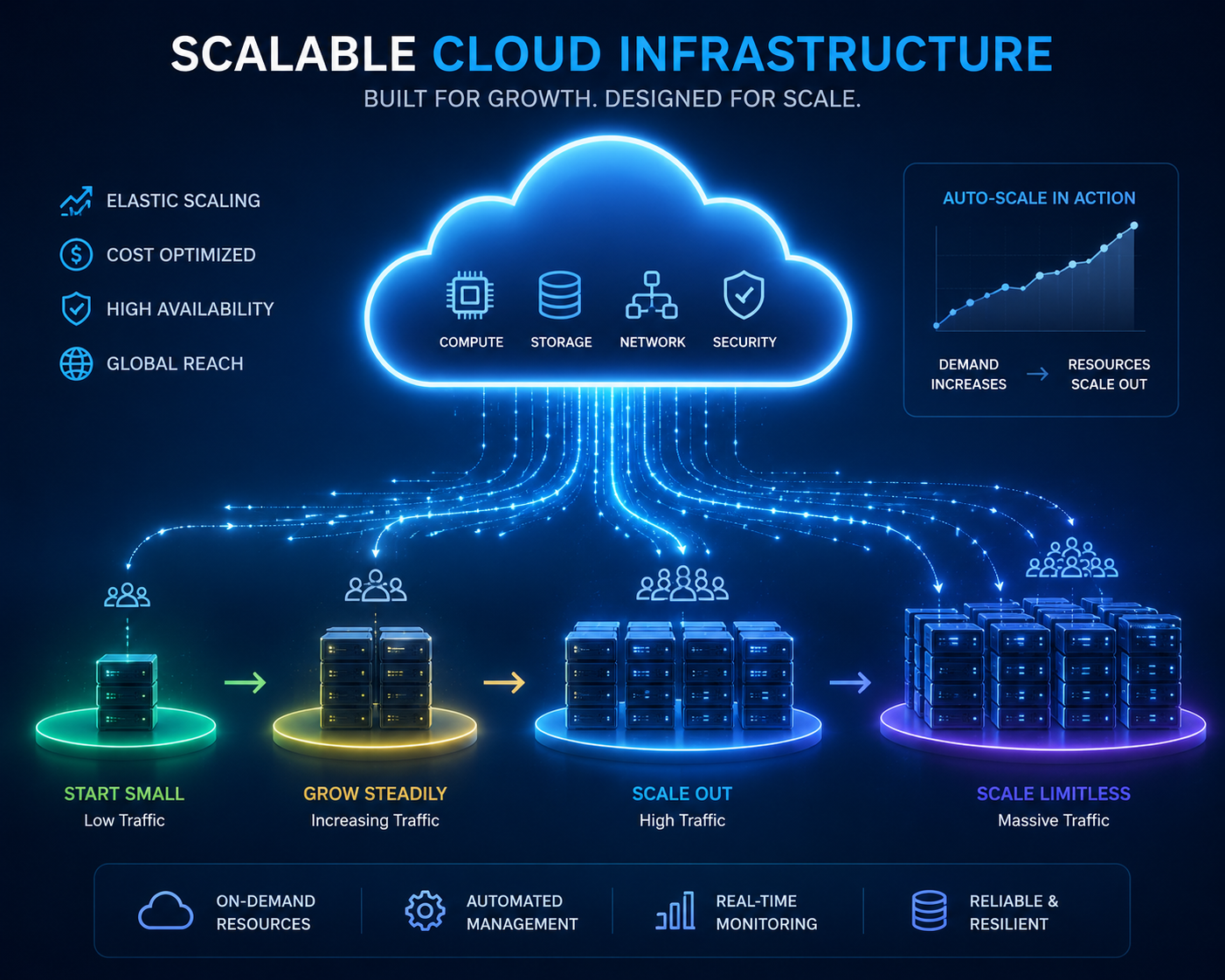
As systems evolve and user demands increase, scalability becomes a critical focus for future development. This section explores strategies and technologies that enable systems to grow efficiently while maintaining performance, reliability, and user satisfaction.
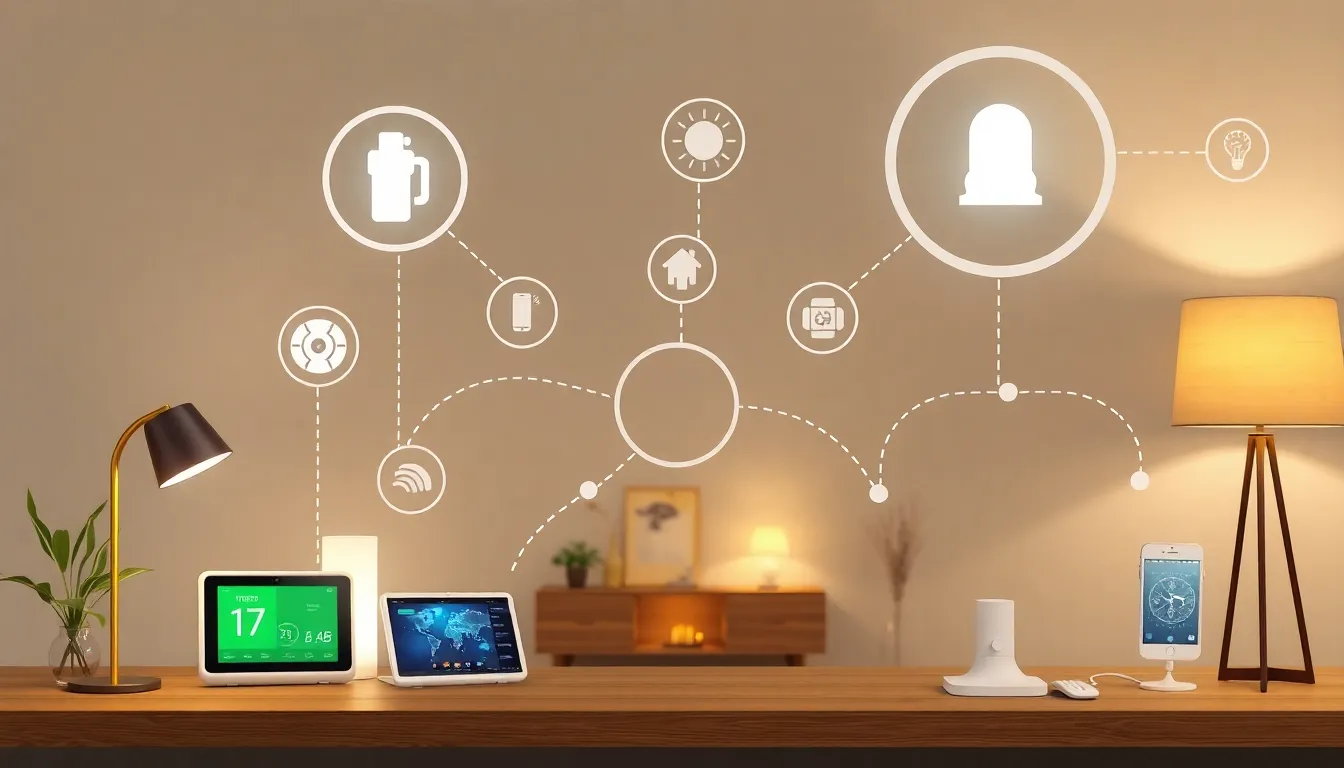
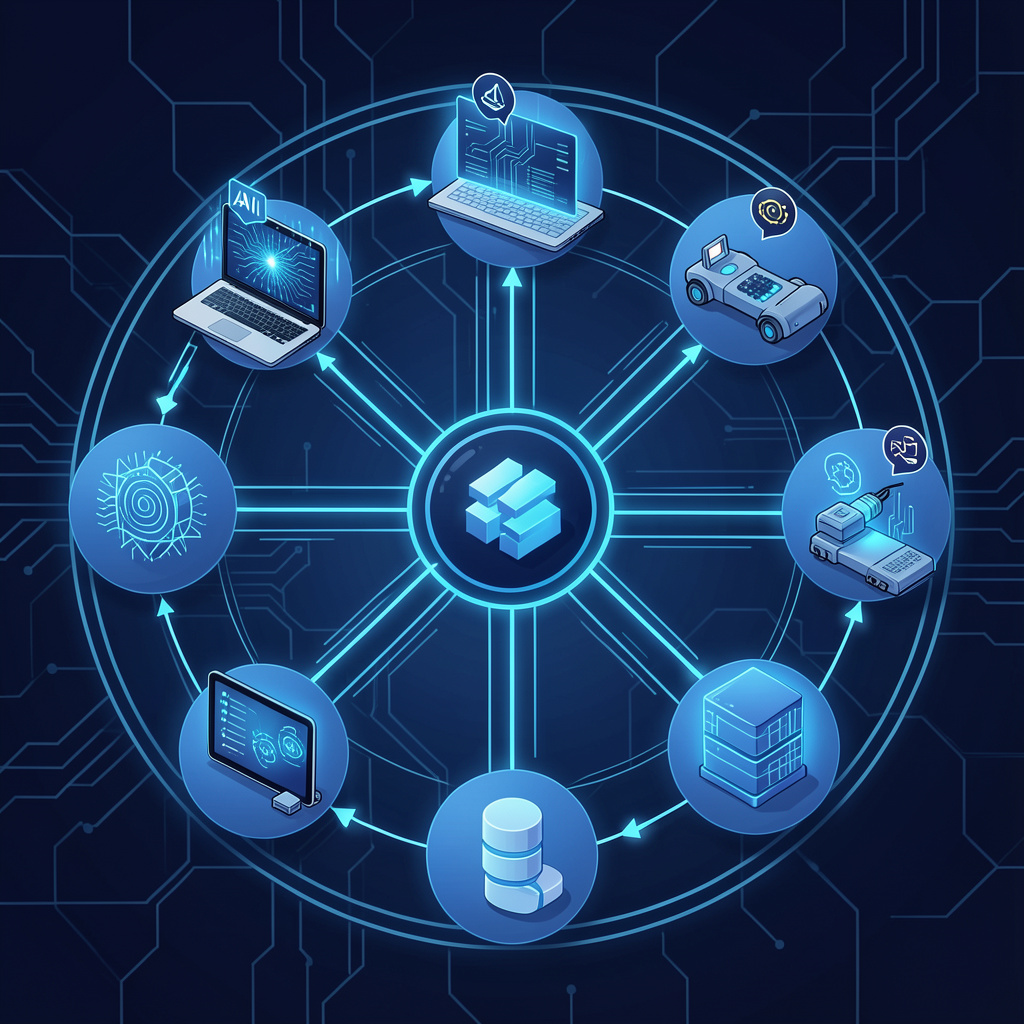
As technology continues to evolve at an unprecedented pace, integrating emerging technologies into existing systems has become a critical area of future development. This section explores how advancements such as artificial intelligence, the Internet of Things, and blockchain can enhance efficiency, scalability, and innovation across industries.
 Future of Work