Why You Wake Up Tired Every Day: Beyond Just 'Not Enough Sleep'
Ever drag yourself out of bed, feeling like you've barely slept a wink? It's not always about hitting the snooze too many times. There's a whole host of hidden culprits for that morning grogginess.
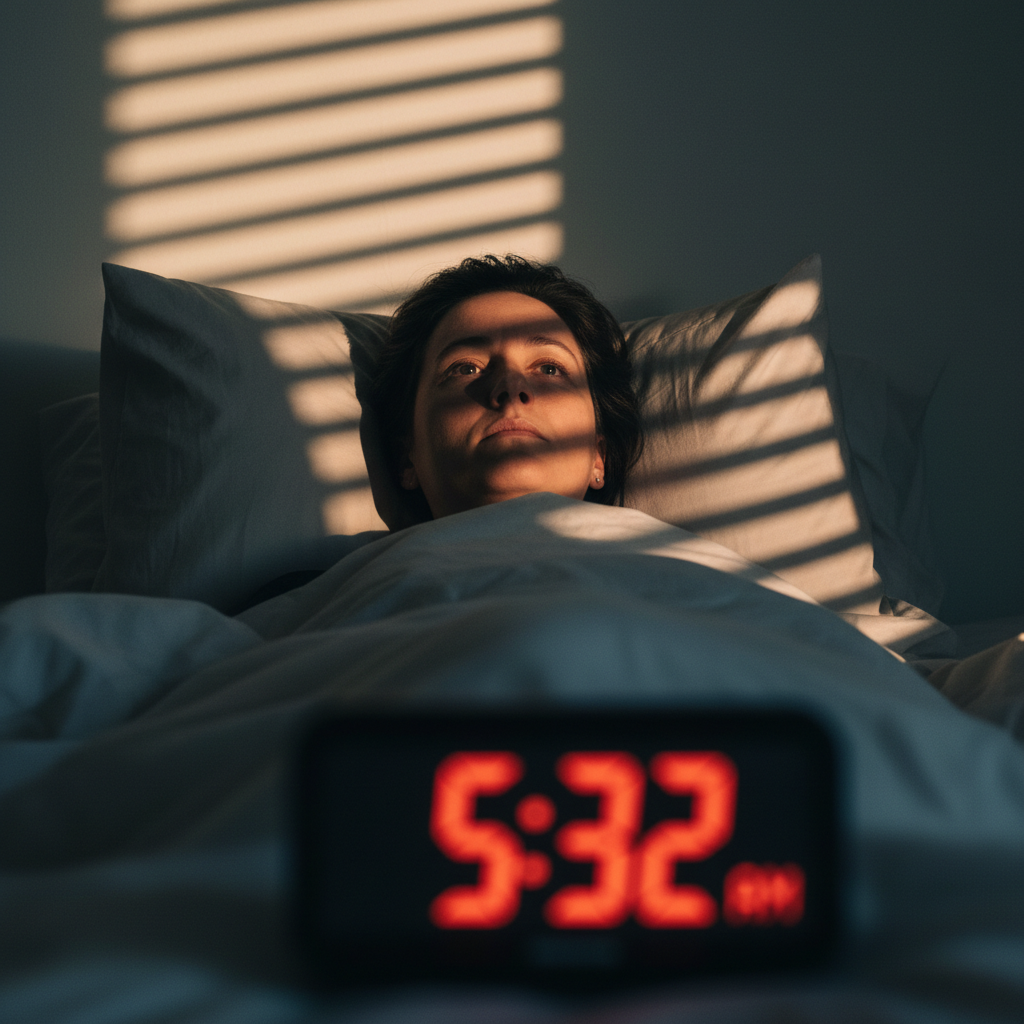
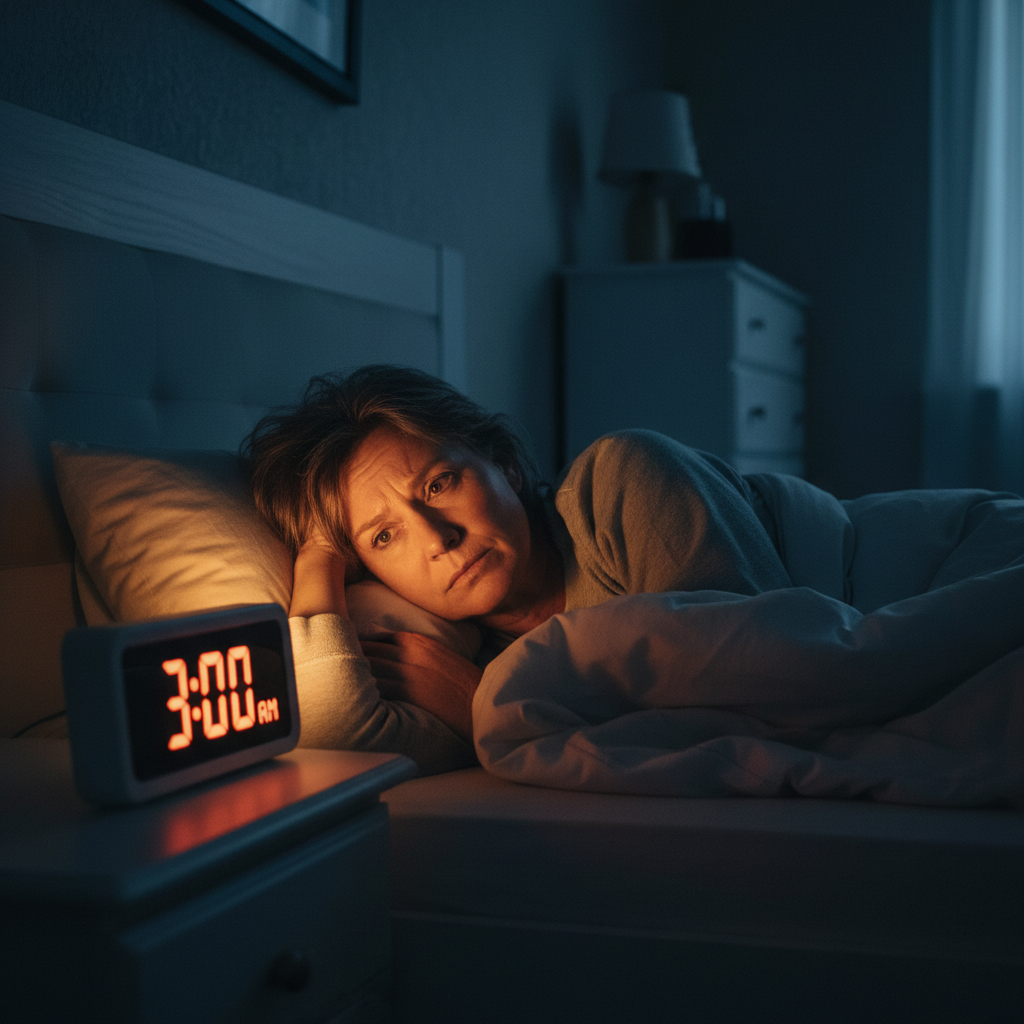
The alarm blares. You slap it silent. Then you lie there, staring at the ceiling, wondering how it's possible to feel this exhausted after a full night in bed. It's a familiar ritual for millions, that persistent morning grogginess, a profound fatigue that seems to defy the very purpose of sleep. We're told to get seven to nine hours, right? And maybe you do. Yet, the tiredness persists.
It's not just about the quantity of sleep; it's often about the quality, and a surprising number of other factors quietly sabotaging your rest. This isn't just an inconvenience. Chronic tiredness impacts everything: your mood, your focus at work, your relationships, even your immune system. You're not alone if you've been wondering why you wake up tired every single day.
Key Takeaways:
- Poor sleep quality, not just insufficient hours, is a major culprit for morning fatigue.
- Lifestyle choices like screen time, irregular schedules, and diet significantly impact restorative sleep.
- Underlying medical conditions or chronic stress often manifest as persistent tiredness.
- Improving sleep hygiene and addressing root causes can dramatically enhance morning alertness.
Let's be clear: feeling perpetually drained isn't normal, and it's certainly not something you just have to live with. It's your body sending a message. But what exactly is it trying to say?
One of the most insidious saboteurs of restful sleep is often entirely unconscious: disordered breathing. Sleep apnea, for instance, affects an estimated 30 million adults in the U.S., many undiagnosed. Dr. Marcus Thorne, a pulmonologist and sleep specialist at the Mayo Clinic, explains it plainly: "If your breathing repeatedly stops and starts through the night, even for a few seconds, your brain has to constantly rouse itself to kickstart respiration. You might not fully wake up, but these micro-arousals shatter deep sleep cycles. You're never really getting truly restorative rest." The result? You wake up feeling like you've run a marathon, not slept through the night. Restless legs syndrome (RLS) is another common, though often overlooked, neurological condition where you have an irresistible urge to move your legs, usually in the evening or at night. It's incredibly disruptive to sleep, and it's frustrating because you're fighting your own body's signals when you should be drifting off.
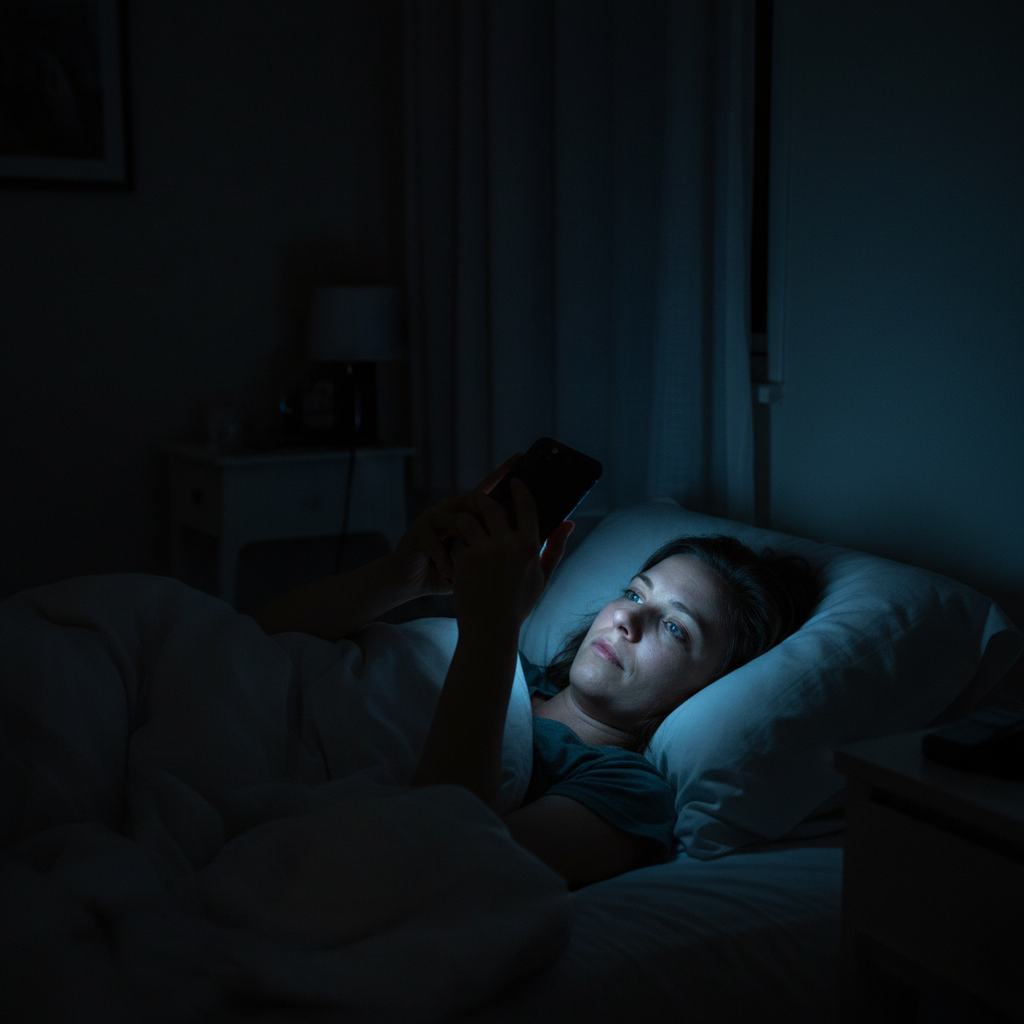
But it's not always a medical diagnosis. Sometimes, the culprits are closer to home, woven into the fabric of our daily lives. Take your evening routine, for instance. Are you scrolling through social media or watching thrilling dramas right up until you hit the pillow? That blue light from screens suppresses melatonin production, the hormone crucial for signaling to your body that it's time for bed. A study published in the journal "Experimental Eye Research" in 2021 showed even just two hours of evening screen exposure can significantly delay sleep onset and reduce REM sleep. It's like telling your brain, "Hey, it's still daytime! Stay sharp!" right when you need it to power down. This relentless exposure to digital stimuli is a major contributor to our collective sleep deficit.
Then there's the erratic sleep schedule. Our bodies thrive on rhythm. The circadian clock, our internal 24-hour cycle, governs everything from hormone release to body temperature. If you go to bed at 10 PM on weekdays but then stay up until 2 AM on weekends, you're essentially giving yourself jet lag every Monday morning. "Consistency is king when it comes to sleep," says Dr. Thorne. "Your body expects a predictable schedule. When you vary it by more than an hour or so, you're constantly fighting your natural biological inclinations. It's exhausting just thinking about it."
What about your diet? Alcohol, while it might initially make you feel sleepy, actually fragments your sleep later in the night, especially in the second half. You might fall asleep faster, but the quality of that sleep tanks. Caffeine, consumed too late in the day, is another obvious one. It has a half-life of about five hours, meaning if you have a coffee at 5 PM, half that caffeine is still buzzing in your system at 10 PM. Think about that next time you reach for an afternoon pick-me-up. And don't forget the impact of sugary snacks or heavy meals close to bedtime, which can cause digestive distress or blood sugar spikes, both of which can disrupt sleep.
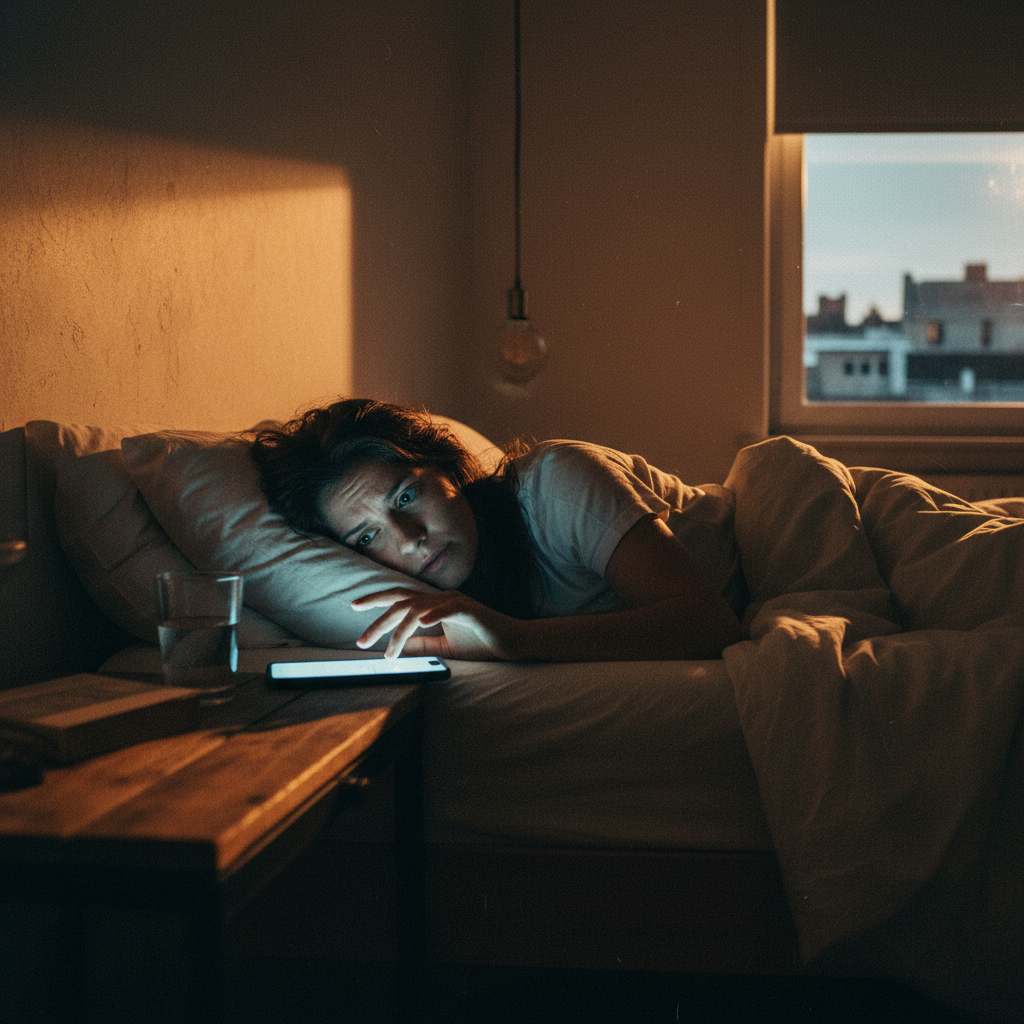
Chronic stress and anxiety are also enormous, often unseen, drains on our energy reserves. Your mind races, worries swirl, and the 'fight or flight' response keeps your body on high alert. It's incredibly difficult to relax into deep, restorative sleep when your nervous system thinks you're constantly under threat. This isn't just about feeling mentally overwhelmed; chronic stress can lead to physiological changes, impacting hormone balance and making it harder to calm down at night. For many, the constant pressure of modern work life or economic anxieties translates directly into restless nights.
And sometimes, the problem is simpler, yet still easily overlooked: nutrient deficiencies. Iron deficiency anemia, for example, can leave you feeling utterly drained and fatigued, even after a seemingly full night's sleep. Vitamin D deficiency is another common culprit, often linked to feelings of lethargy. A quick blood test at your doctor's office can often pinpoint these issues, and supplements can make a world of difference.
But what if you're ticking all the boxes: good sleep hygiene, regular schedule, healthy diet, and still waking up tired? That's when it's time to dig a little deeper. Hypothyroidism, where your thyroid gland doesn't produce enough hormones, can cause profound fatigue, weight gain, and sluggishness. Other conditions like fibromyalgia, chronic fatigue syndrome, or even undiagnosed allergies can contribute to persistent tiredness. It's why a conversation with your primary care physician is so critical if you've been battling this for a while. Don't dismiss it as just "getting old" or "being busy." Your doctor can help rule out underlying medical causes and guide you toward appropriate solutions, whether that's a sleep study, blood tests, or a referral to a specialist.
Ultimately, waking up tired every day isn't a badge of honor, nor is it an inevitable part of adulthood. It's a signal. Paying attention to that signal, whether it means tweaking your evening habits, seeking a diagnosis for a sleep disorder, or addressing your stress levels, is an investment in your overall well-being. It's about reclaiming your mornings, your days, and your energy. Imagine what you could achieve, how much more present you could be, if you actually woke up feeling refreshed. It's not a pipe dream; it's within reach, but it often requires a bit of detective work and a commitment to prioritizing your rest. For more on how our daily habits impact our well-being, explore articles on the future of personal health.
Frequently Asked Questions:
- Can exercise impact how tired I feel in the morning? Yes, absolutely. Regular physical activity, especially earlier in the day, can significantly improve sleep quality. Just avoid intense workouts too close to bedtime, as they can be stimulating and make it harder to fall asleep.
- Is it normal to need more sleep as I get older? Not necessarily. While sleep patterns can change with age, the fundamental need for 7-9 hours of quality sleep generally remains consistent for adults. Persistent tiredness should be investigated, not just attributed to aging.
- How long does it take to fix a broken sleep schedule? It varies by individual, but generally, it takes a few weeks of consistent effort to reset your circadian rhythm. Sticking to a strict bedtime and wake-up time, even on weekends, is the most crucial step.
- What's the biggest mistake people make when trying to improve their sleep? Often, it's focusing solely on bedtime without considering daytime habits. What you eat, when you exercise, how you manage stress, and your screen time all profoundly affect your ability to get truly restorative sleep at night. It's a holistic issue. Your education and skills in self-care are truly important here.