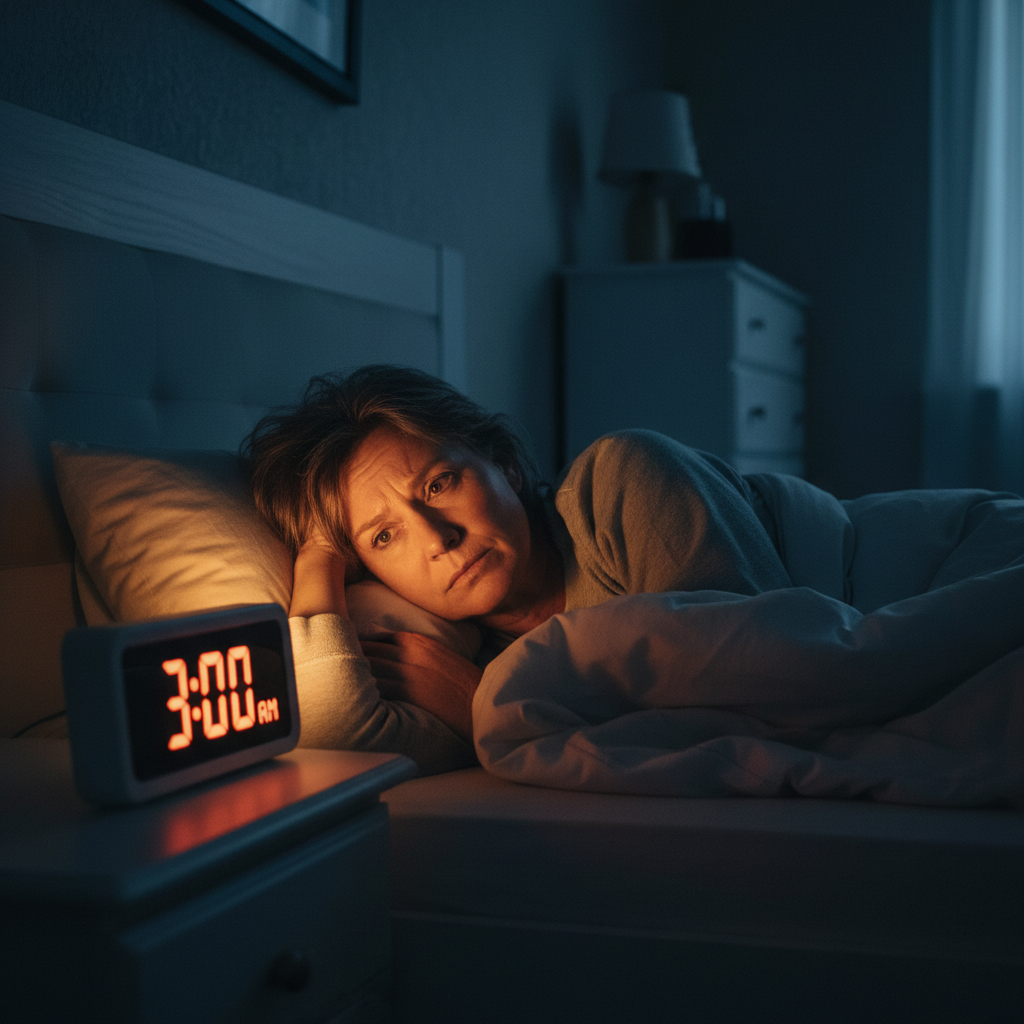
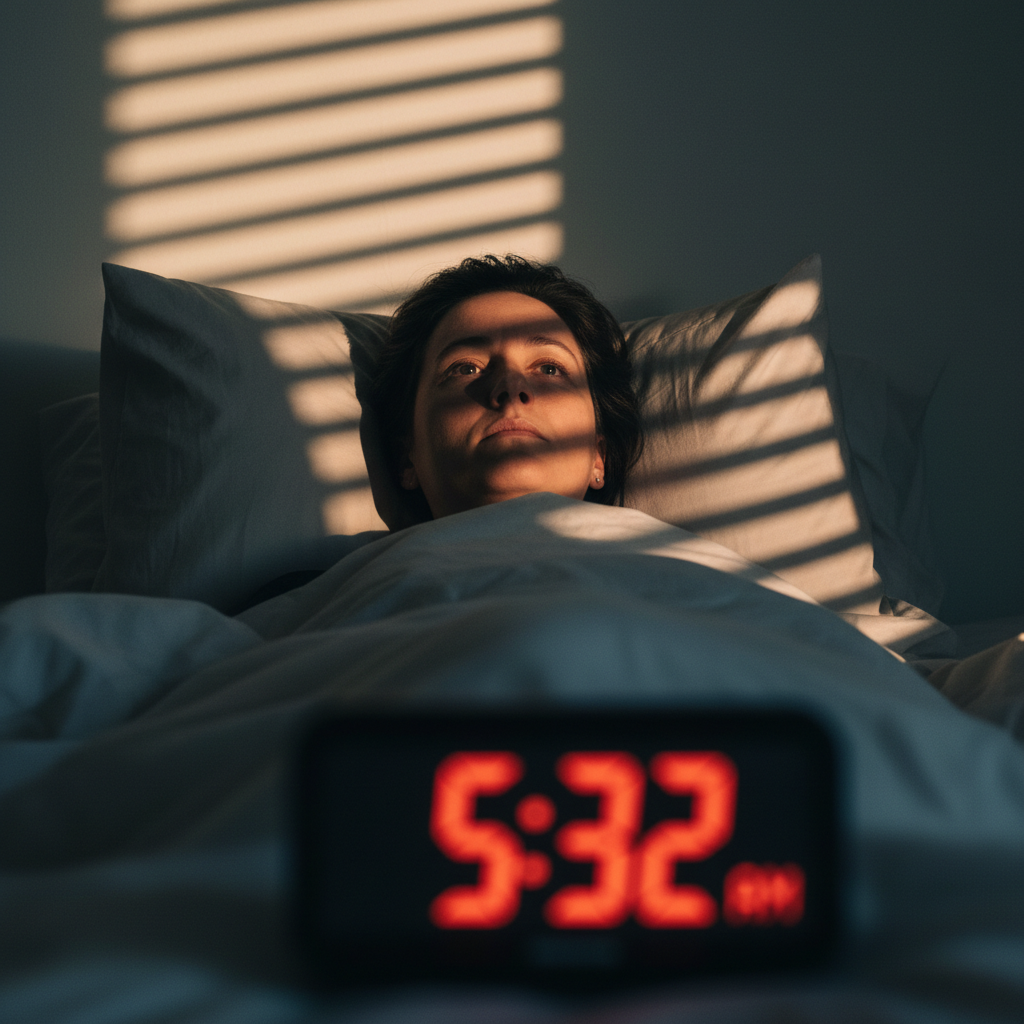
The Silent Saboteur: How Blue Light Is Stealing Your Sleep
Ever wonder why you're tossing and turning after scrolling late at night? That glow from your phone or TV might be the culprit. Blue light is a sneaky sleep thief.
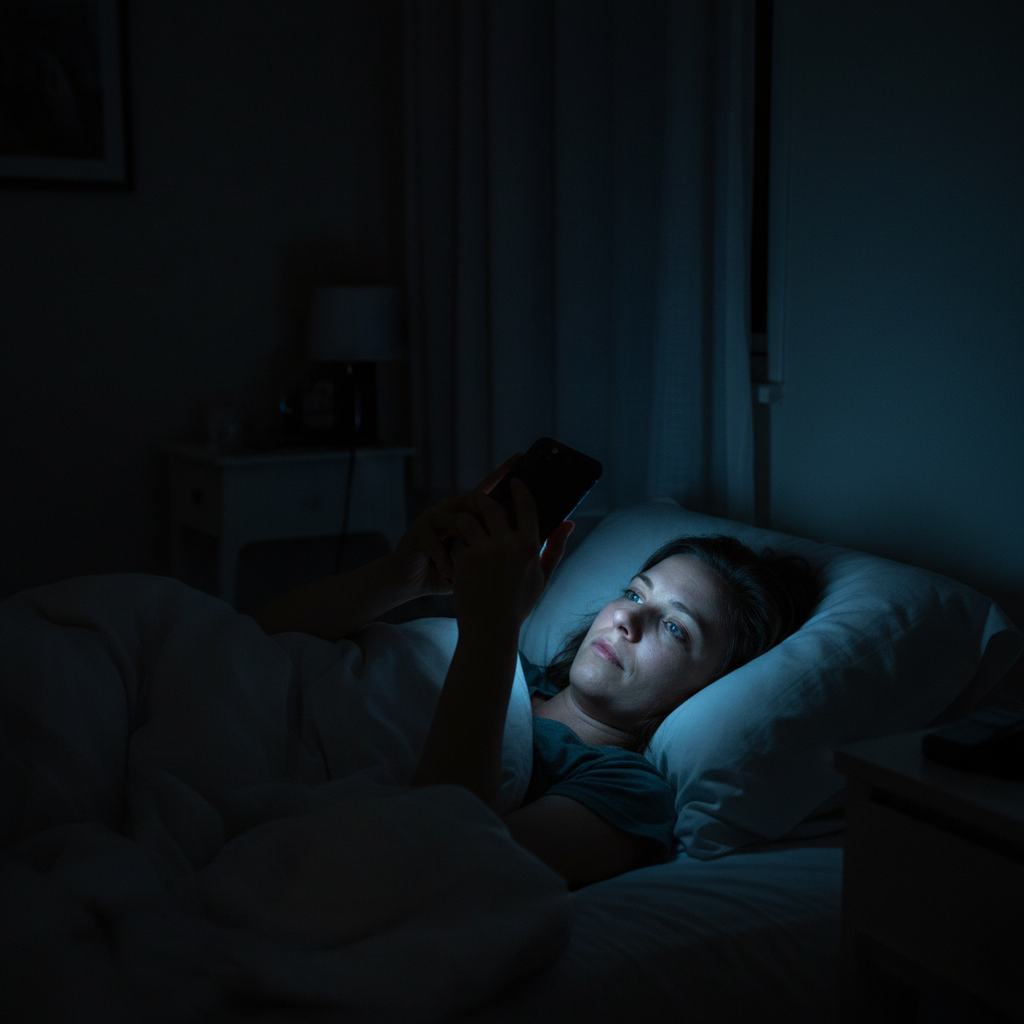
You know the drill. It’s late, you’re in bed, and despite your best intentions, your phone is in your hand. Just one more scroll, you tell yourself. Maybe a quick check of social media, an article, or a video. But here’s the kicker: that innocent ritual could be quietly sabotaging your sleep, night after night. The culprit? Blue light.
It’s not some abstract threat; it’s the very light beaming from your screens – your smartphone, tablet, computer, and even modern LED light bulbs. And it’s far more impactful on your body than most people realize. For years, we’ve heard whispers about screen time before bed, but the science behind why it matters so profoundly is a real eye-opener, or perhaps, a sleep-stopper.
Key Takeaways:
- Blue light, especially from electronic screens and LEDs, mimics daylight, telling your brain to stay awake.
- It directly suppresses melatonin production, delaying your natural sleep cues and disrupting your circadian rhythm.
- Consequences range from trouble falling asleep to reduced sleep quality and potential long-term health issues.
- Simple strategies like limiting screen time, using blue light filters, and adjusting lighting can significantly improve your sleep.
So, what exactly is blue light, and why does it have such a powerful grip on our slumber? Think of light as a spectrum of colors, each with a different wavelength and energy level. Blue light, specifically wavelengths between roughly 450 and 495 nanometers, has a shorter wavelength and higher energy. It’s naturally abundant during the day, particularly from the sun. Our bodies evolved to interpret this light as a signal: it’s daytime, time to be alert and active.
And that’s where the trouble starts. When the sun goes down, our bodies expect darkness. This lack of light triggers the release of melatonin, a hormone produced by the pineal gland that signals to your body it’s time to wind down and prepare for sleep. Melatonin acts like your internal night watchman, overseeing the critical processes of sleep initiation and maintenance.
But when you expose your eyes to bright blue light from a screen or even a harsh LED bulb in the evening, you’re essentially sending your brain a conflicting message. It’s like telling your internal clock, “Nope, it’s still noon! Stay alert!” Dr. Steven Lockley, a neuroscientist and sleep expert at Harvard Medical School, has extensively studied this phenomenon. “Exposure to blue light at night significantly suppresses melatonin,” he explained in a recent discussion. “Even dim blue light, if it’s at the wrong time of day, can shift your circadian rhythm.” His research suggests that blue light can suppress melatonin for twice as long as other light wavelengths, and it can shift your circadian rhythm by up to three hours.
This isn't just about feeling a little tired the next day. This is about deep, fundamental physiological disruption. When melatonin production is suppressed, you don’t just take longer to fall asleep; the quality of the sleep you do get can suffer. You might spend less time in crucial deep sleep and REM sleep stages, which are vital for cognitive function, emotional regulation, and physical restoration. That means even if you technically get eight hours in bed, you might wake up feeling like you only got five.
It’s not just phones and tablets. Look around your home. Many modern light sources, particularly energy-efficient LEDs, emit a significant amount of blue light. Those bright, cool-white bulbs might seem modern and clean, but they’re beaming that wake-up signal directly into your eyes just as you’re trying to relax. Even television screens, especially larger ones, are substantial emitters. It’s become an inescapable part of our modern technology landscape.
The impact isn’t limited to just a single restless night. Chronic sleep deprivation, even mild forms, has far-reaching consequences. It’s linked to an increased risk of obesity, diabetes, heart disease, and impaired immune function. Mentally, you’re looking at reduced concentration, poorer memory, mood swings, and an elevated risk of depression and anxiety. For many, this becomes a vicious cycle: you can’t sleep, so you try to relax with your phone, which then makes it even harder to sleep. It’s a frustrating dance many people are caught in.
So, what can we do to fight back against this invisible aggressor? Thankfully, there are several practical steps you can take to protect your precious sleep. The most straightforward approach is to limit screen time in the hours leading up to bed. Dr. Michael Breus, a clinical psychologist and sleep specialist, often advises his patients, “Aim for a digital curfew. Try to put down all screens at least 60 to 90 minutes before you plan to go to sleep. It’s a habit, and it takes practice, but it pays off.”
Many devices now offer ‘night mode’ or ‘warm light’ settings. These features shift the screen’s color temperature towards the warmer, redder end of the spectrum, reducing blue light emissions. While they’re not a perfect solution – some blue light still gets through – they’re certainly better than nothing. You can also find physical blue light filters that adhere to your screen or even specialty blue light blocking glasses. These glasses, often with amber or orange lenses, are designed to filter out the most disruptive blue wavelengths, offering another layer of protection if late-night screen use is unavoidable, perhaps for future of work tasks or urgent communication.
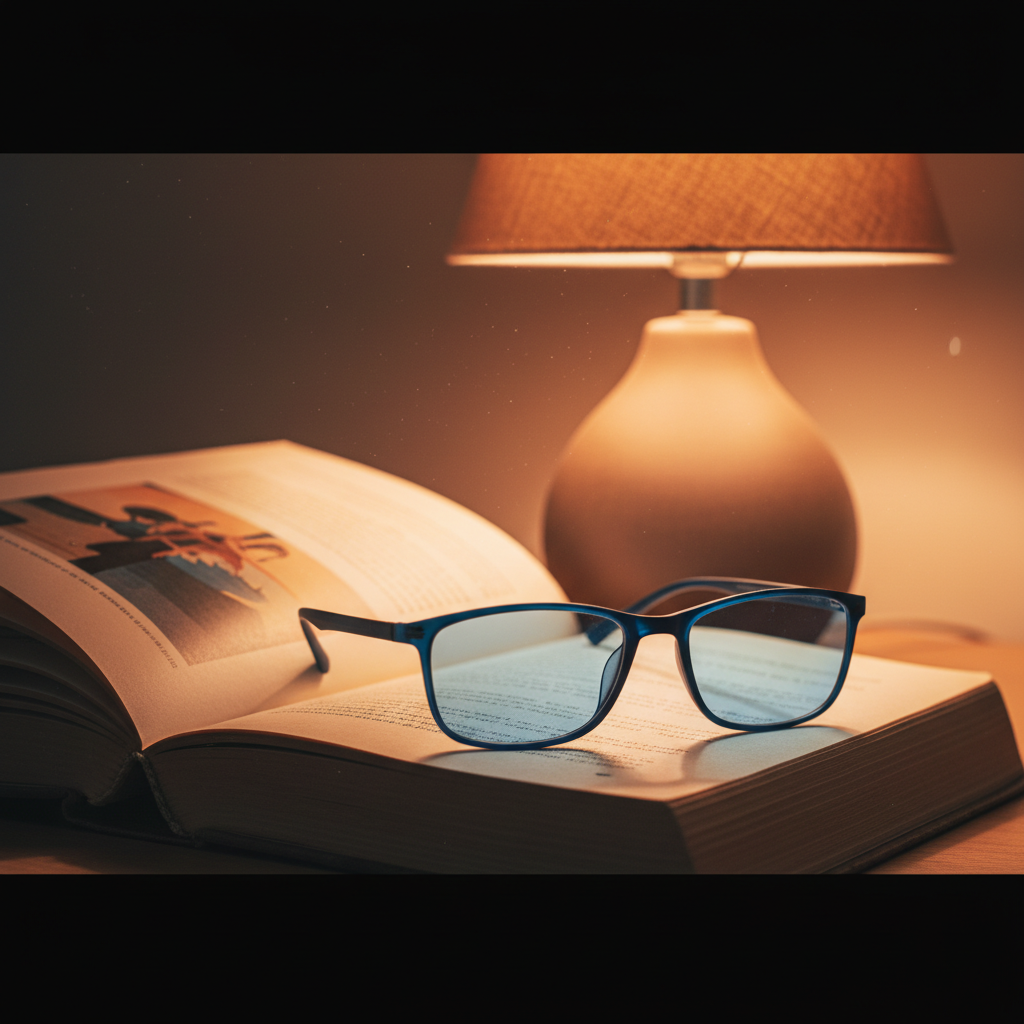
Beyond screens, think about your environment. Switch to warmer, dimmer light bulbs in your bedroom and other areas you frequent in the evening. Incandescent bulbs, or LEDs specifically designed for ‘warm white’ light, are better choices. Consider installing smart bulbs that allow you to adjust the color temperature and brightness. And don't underestimate the power of simply reading a physical book under a soft lamp, or listening to music, as part of your wind-down routine.
It’s crucial to remember that blue light isn't inherently bad. During daylight hours, it's actually beneficial, helping us stay alert and regulating our circadian rhythms. It's the timing of the exposure that matters. Our bodies need that clear signal of day and night to function optimally. Disrupting that natural rhythm through constant evening blue light exposure isn’t just about feeling tired; it’s about compromising our fundamental health systems. Understanding the mechanism is the first step; taking action to reclaim your sleep is the next. It might feel like a small change, but the ripple effect on your overall well-being can be immense. And who doesn’t want more restorative sleep? It’s arguably one of the best investments you can make in your own health and business economy productivity.
Frequently Asked Questions:
- How quickly does blue light affect melatonin? Even short exposures to blue light, particularly within two hours of bedtime, can significantly suppress melatonin production, making it harder to fall and stay asleep.
- Are blue light filtering glasses really effective? Yes, studies show that glasses with amber or orange lenses, designed to block a broad spectrum of blue light, can be quite effective in reducing blue light exposure and improving sleep quality when worn in the evenings.
- Is all blue light bad? No, blue light from natural sunlight during the day is vital for regulating our circadian rhythm and maintaining alertness. The problem arises when we’re exposed to artificial blue light at night, disrupting our natural sleep-wake cycle.
- Can children be affected by blue light too? Absolutely. Children are often more sensitive to light, and their developing eyes may be more susceptible to the effects of blue light. Limiting their screen time, especially before bed, is particularly important for their sleep and overall development.