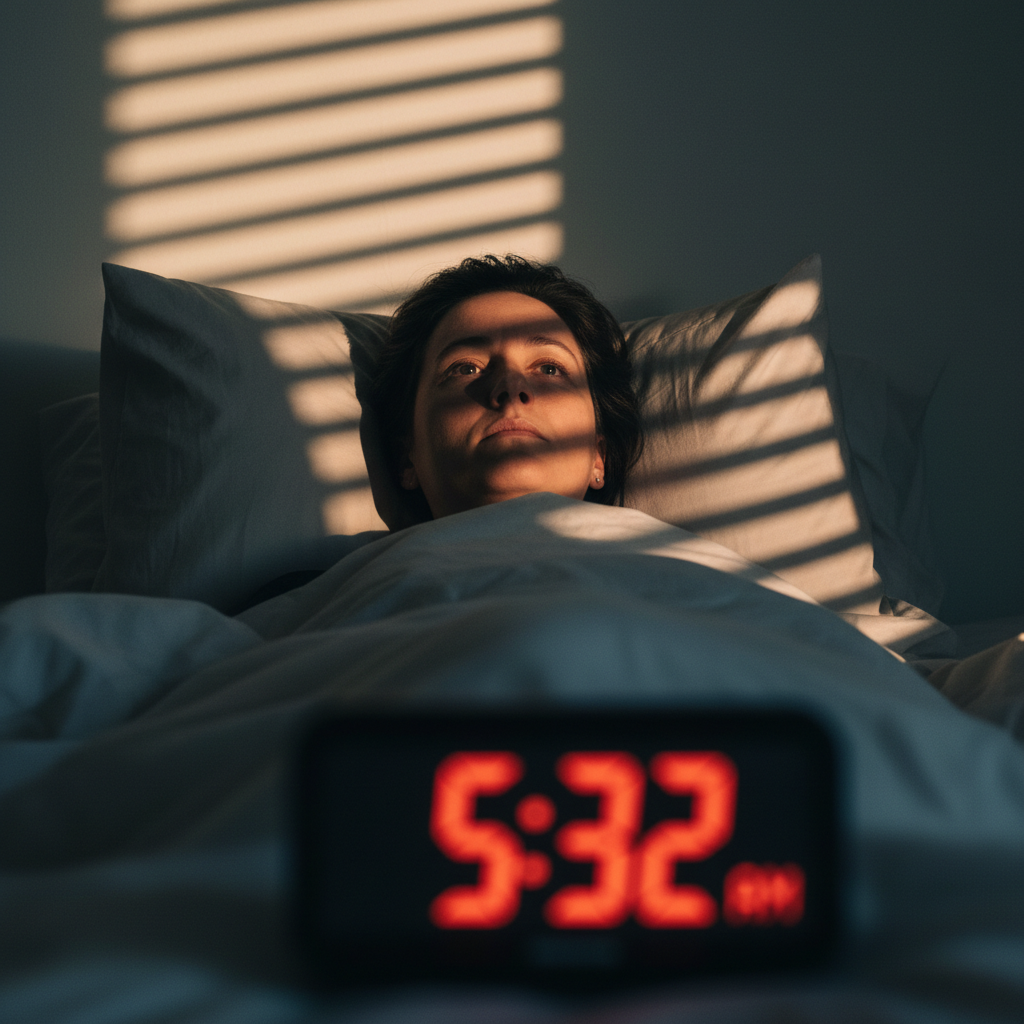
The 3 AM Wake-Up: Why Your Body Hits the Alarm and How to Silence It
Waking up at 3 AM can feel like a cruel joke, but it's a common experience with roots in our biology, habits, and stress levels. Understanding why it happens is the first step to a better night's rest.
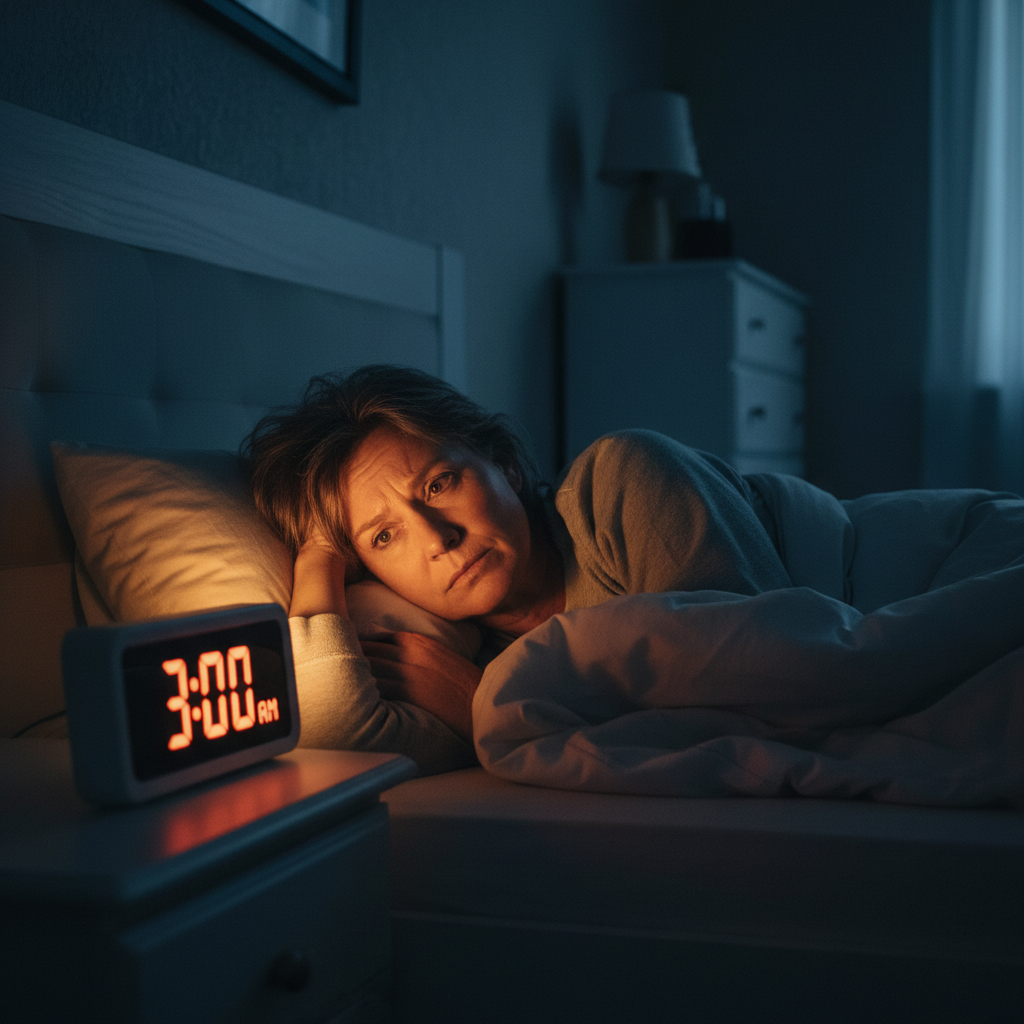
The clock's glowing red digits scream 3:07 AM. Your eyes snap open, heart thumping a little, mind already racing through tomorrow's to-do list or yesterday's minor slight. It's a particularly rude awakening, isn't it? That familiar, unsettling jolt in the dead of night, leaving you staring at the ceiling, wondering why your body decided this was the perfect time for an impromptu meeting.
You're not alone in this peculiar nocturnal ritual. Millions of us find ourselves wide awake between 3 and 4 AM, battling a churning stomach or a torrent of anxious thoughts. For some, it’s an occasional nuisance; for others, it’s a nightly torment. Turns out, your body isn't trying to punish you, not exactly. There are legitimate, often intertwined, reasons for these early morning curtain calls.
Key Takeaways:
- Waking at 3 AM is often linked to natural shifts in our sleep cycles, particularly as we transition from deeper to lighter sleep stages.
- Stress, anxiety, and even lifestyle choices like alcohol or caffeine consumption play a significant role in disrupting sleep in the early morning hours.
- Physiological factors such as blood sugar fluctuations, hormonal changes, or underlying health conditions can also contribute to consistent nocturnal awakenings.
- Practicing consistent sleep hygiene, managing stress, and adjusting evening habits are crucial steps toward sleeping through the night.
- If frequent 3 AM awakenings persist and impact your daytime functioning, it's wise to consult a healthcare professional.
Our sleep isn't a single, unbroken block of unconsciousness. Not at all. It's a complex dance of cycles, typically lasting about 90 minutes each, where we drift between non-REM (NREM) and REM (rapid eye movement) sleep. Early in the night, we spend more time in deep NREM sleep, the restorative kind. But as the night progresses, we spend less time in deep sleep and more time in lighter NREM stages and REM sleep.
"Around the 3 AM mark, most people have completed a few sleep cycles and are naturally in a lighter stage of sleep," explains Dr. Emily Thorne, a neuroscientist specializing in sleep architecture at the Sleep Research Institute. "This is when our brain activity is closer to wakefulness. So, if there's any little trigger—a tiny noise, a shift in temperature, or even an internal thought—we're much more prone to fully waking up." It's like standing on the edge of a cliff versus being firmly planted on solid ground; a small gust of wind can easily push you over.
And then there's cortisol. Often dubbed the 'stress hormone,' cortisol levels naturally begin to rise in the early morning hours, preparing your body to wake up and face the day. It's a physiological alarm clock. For many, this natural surge happens later, closer to dawn. But for those experiencing chronic stress, anxiety, or certain medical conditions, this cortisol spike can be prematurely intense, kicking your system into high gear when you should still be dreaming. When your stress hormones are already elevated, even minor disruptions can feel magnified, making it harder to drift back off. This isn't just about feeling stressed during the day; it's about how your body processes and reacts to that stress throughout the entire sleep period. Understanding the interplay between our minds and bodies is key to managing work-life balance and improving sleep quality.
Psychological Factors: The Mind That Won't Quit
For many of us, the most frustrating part of the 3 AM wake-up isn't the awakening itself, but the immediate onslaught of thoughts. A forgotten email, an upcoming presentation, a conversation you had yesterday—suddenly, your brain decides it's prime time for problem-solving or rumination. This is where anxiety truly shines, or rather, causes you to lose your shine. Worry can hijack your natural sleep patterns, making it incredibly difficult to return to sleep once disturbed.
"Stress and anxiety are probably the biggest culprits for middle-of-the-night awakenings," says Dr. Thorne. "When you're stressed, your sympathetic nervous system—your 'fight or flight' response—is more active. Even when you're asleep, your body is on a higher alert. So, when you hit that naturally lighter sleep stage, your mind is primed to start problem-solving or worrying, making it nearly impossible to shut down again."
Depression can also play a role, often manifesting with early morning awakenings and difficulty getting back to sleep. It creates a feedback loop: poor sleep worsens mood, and low mood disrupts sleep. It's a vicious cycle that often requires professional intervention to break.
Environmental Factors: Your Bedroom's Secret Saboteurs
Sometimes, the culprits aren't within your head but right in your room. Is your bedroom too warm? Too cold? Is there a faint streetlight bleeding through the curtains, or perhaps the low hum of traffic outside? Even seemingly minor environmental disturbances can be enough to pull you from that delicate, lighter sleep stage. Your body is incredibly sensitive.
And let's not forget lifestyle choices. That glass of wine before bed? While alcohol might initially make you feel drowsy, it fragments sleep in the latter half of the night, often leading to awakenings as your body processes it. Caffeine, especially consumed late in the day, can linger in your system for hours, making it harder to stay asleep. Even that late-night snack, particularly one high in sugar, can cause your blood sugar to spike and then crash, triggering a release of adrenaline and cortisol that jolts you awake. This is part of the larger conversation about digital impact on sleep and how our modern habits affect our basic biological functions.
Physiological Factors: When the Body Cries Out
Beyond stress and environmental nudges, your physical body can also be sounding the alarm. Conditions like sleep apnea, where breathing repeatedly stops and starts, cause frequent, brief awakenings—often without you even realizing it. Restless Legs Syndrome, pain from an injury, or chronic conditions like heartburn can also pull you from slumber. Hormonal shifts, particularly during menopause, often lead to hot flashes and night sweats that shatter sleep. And as we age, our sleep architecture naturally changes; we spend less time in deep sleep and wake up more easily. It's a normal part of getting older, but that doesn't make it any less frustrating.
Blood sugar fluctuations are another silent culprit. If you've gone a long time without eating, or if your last meal was high in refined carbohydrates, your blood sugar might dip too low overnight. This triggers a stress response, releasing adrenaline and cortisol to normalize glucose levels, which, you guessed it, wakes you up.
The Fixes: How to Sleep Through the Night
So, what's a tired person to do? The good news is that many solutions are within your reach. Start with meticulous sleep hygiene. This means a consistent sleep schedule, even on weekends. Go to bed and wake up at roughly the same time every day. Create a cool, dark, and quiet bedroom sanctuary. Turn down the thermostat, invest in blackout curtains, and consider earplugs or a white noise machine.
Manage that stress. Incorporate relaxation techniques into your daily routine. Mindfulness meditation, deep breathing exercises, or gentle yoga can help calm your nervous system before bed. Some people find journaling their worries earlier in the evening helps get them out of their head before they hit the pillow. Explore various stress reduction techniques to find what works for you.
Be mindful of what you consume. Cut back on caffeine and alcohol, especially in the hours leading up to bedtime. Try to finish your last meal a few hours before bed, and if you need a snack, make it something light and protein-rich, not sugary. Avoid screen time for at least an hour before sleep; the blue light from devices can suppress melatonin, the hormone that tells your body it's time to sleep.
And don't underestimate the power of movement. Regular physical activity can significantly improve sleep quality, but try to avoid intense workouts too close to bedtime. A brisk walk earlier in the day is perfect.
If you've tried these strategies consistently for several weeks and still find yourself wide awake at 3 AM, or if your daytime functioning is suffering, it's time to talk to a doctor. They can help rule out underlying medical conditions like sleep apnea, hormonal imbalances, or anxiety disorders that might require specific treatment.
Ultimately, understanding why you're waking up is the first big step. It's not a mystery, but a complex interplay of biology, environment, and lifestyle. Small, consistent changes can make a profound difference, transforming those dreaded 3 AM wake-ups into peaceful, uninterrupted sleep. You deserve that rest.
Frequently Asked Questions:
Why do I always wake up at the same time, like 3 AM or 4 AM? Your body cycles through different sleep stages throughout the night, with lighter sleep occurring more frequently in the second half. This natural lightening of sleep, combined with a subtle increase in stress hormones like cortisol around that time, makes you more susceptible to waking up from even minor internal or external disturbances.
Is waking up at 3 AM a sign of something serious? Not necessarily. While it can be a symptom of underlying issues like chronic stress, anxiety, sleep apnea, or other health conditions, it's also a common occurrence tied to normal sleep architecture. If it happens frequently, disrupts your daily life, or is accompanied by other concerning symptoms, it's a good idea to consult a doctor.
What's the best immediate action if I wake up and can't go back to sleep? Don't lie in bed stressing about not sleeping. After about 15-20 minutes, if you're still awake, get out of bed. Go to another room and do something quiet and non-stimulating, like reading a physical book under dim light, listening to calming music, or meditating. Only return to bed when you feel genuinely sleepy again.
Should I avoid eating or drinking anything before bed if I wake up at 3 AM? It's generally recommended to avoid heavy meals, excessive liquids, caffeine, and alcohol a few hours before bedtime. A light, balanced snack (like a small banana with a spoonful of almond butter) might help if low blood sugar is an issue, but sugary or fatty foods can disrupt sleep. Experiment and see what works for your body.