The Unseen Architects: How Human-Machine Teams Are Building Our Future
Forget robots replacing us. The real story of automation isn't about human obsolescence, it's about a powerful new collaboration shaping every industry and redefining what work truly means.
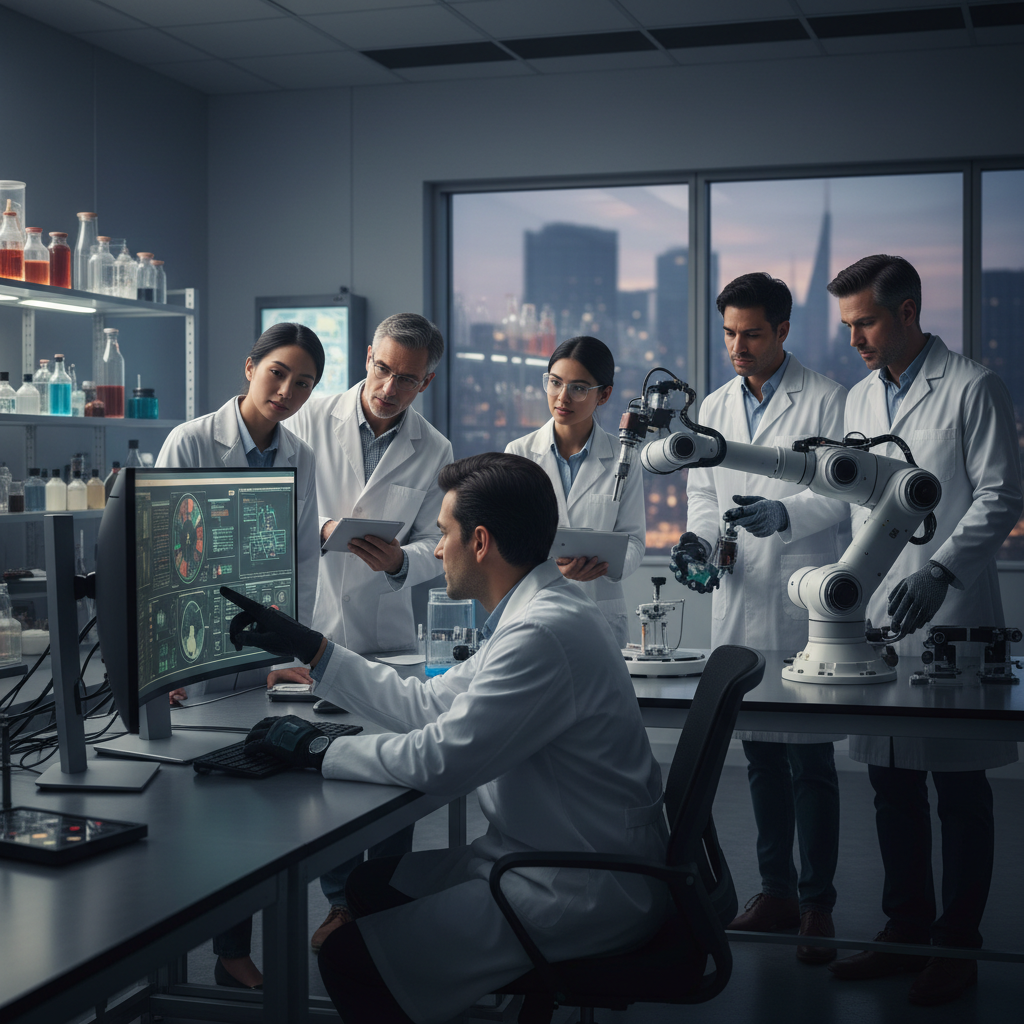
Picture the factory floor, not as a sterile landscape of whirring robots replacing every human touch, but as a bustling hub where people and intelligent machines work in concert. A technician adjusts a robotic arm, fine-tuning its grip, while a sophisticated AI analyzes sensor data, predicting maintenance needs before they even arise. This isn't science fiction anymore. It's the evolving reality of human-machine collaboration, a dynamic partnership that's fundamentally reshaping industries from manufacturing to healthcare, and it’s far more complex, and frankly, more interesting, than the old narrative of 'robots taking jobs.'
For years, we’ve heard the ominous predictions: automation will sweep away entire professions, leaving millions adrift. And while job displacement is a legitimate concern in specific sectors, the broader picture is less about wholesale replacement and more about profound transformation. It’s about augmentation, where machines extend human capabilities, freeing us from the mundane and hazardous, and allowing us to focus on tasks that demand creativity, empathy, and complex problem-solving. This isn't just an efficiency play; it’s a re-evaluation of human potential in an increasingly automated world.
Key Takeaways:
- Automation is largely shifting from human replacement to human augmentation, expanding our capabilities.
- New job roles are emerging that specifically require human-AI interaction and oversight.
- Core human skills like creativity, critical thinking, and emotional intelligence remain irreplaceable.
- Continuous education and reskilling are vital for individuals and economies to adapt.
- Ethical considerations, like data privacy and algorithmic bias, require thoughtful human guidance.
The march of automation, powered by artificial intelligence and advanced robotics, isn't slowing down. But its direction is becoming clearer: towards a future where human ingenuity and machine precision aren't competitors, but rather complementary forces. Think about diagnostics in medicine. AI algorithms can analyze medical images with incredible speed and accuracy, often spotting patterns a human eye might miss. But it's the doctor who synthesizes that information, considers the patient’s history, explains the findings with empathy, and ultimately makes the treatment decision. That's a powerful tandem, isn't it? Dr. Anya Sharma, a leading AI ethicist at the Stanford Institute for Human-Centered AI, puts it plainly: “Machines handle the data, humans handle the wisdom. That distinction is more critical now than ever before.”
It’s not just about what machines can do, but what humans must do. We’re seeing the emergence of entirely new roles. We’re talking about ‘AI trainers’ who teach algorithms to understand nuance, ‘robot ethicists’ who ensure automated systems align with human values, and ‘human-AI interface designers’ who craft seamless interactions between people and sophisticated software. These aren’t roles we imagined even a decade ago. But they’re critical for navigating this evolving landscape, roles that demand a blend of technical understanding and distinctly human insight. The ability to collaborate effectively with intelligent systems, to understand their limitations, and to guide their development will be a core competency for the next generation of workers. You'll find more on this evolution in the future of work discussions.
And let's be honest, not every task is glamorous. Automation excels at the repetitive, the dangerous, the tedious. In logistics, for instance, autonomous forklifts can move pallets through warehouses with tireless efficiency, reducing injuries and speeding up inventory management. This frees up human workers to manage complex supply chains, troubleshoot unexpected issues, or optimize routing – tasks that require adaptive problem-solving, not just brute force. It's about shifting human energy from the mechanical to the meaningful.
But this transition isn't without its speed bumps. There's real concern about job displacement for those whose work consists primarily of highly repetitive tasks. It's why robust education and skills initiatives are so crucial right now. Governments, businesses, and educational institutions must collaborate to provide pathways for reskilling and upskilling, ensuring that workers aren't left behind. Think vocational programs focusing on data analytics, AI system maintenance, or even creative fields where human imagination remains paramount. We need to be proactive, not reactive, in preparing the workforce for these shifts.
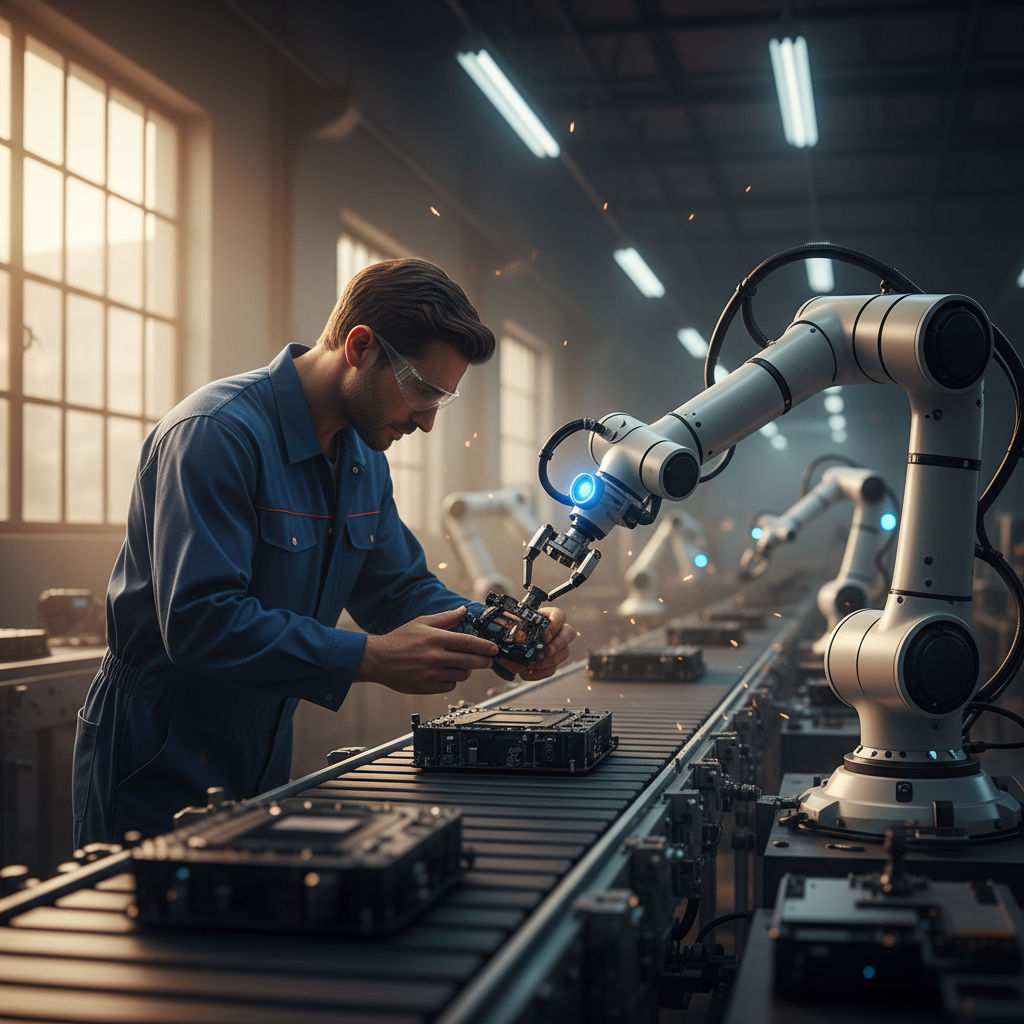
Consider the financial sector. Algorithmic trading has been a staple for decades, executing trades at speeds impossible for humans. But human analysts still interpret market sentiment, develop long-term investment strategies, and build client relationships. AI provides the raw processing power, while human experience provides the strategic vision and the ethical compass. That's a partnership, a synergy that multiplies output far beyond what either could achieve alone. And the same pattern holds true across industries, from advanced manufacturing, where cobots – collaborative robots – work side-by-side with humans on assembly lines, to creative fields where AI assists with generating content or identifying design patterns, but humans still drive the vision and the aesthetic.
It’s a complex dance, this human-machine collaboration. It requires not just technological advancement, but a deep understanding of human psychology, ethics, and societal impact. Questions about algorithmic bias, data privacy, and accountability for AI decisions are not theoretical; they're immediate and demand human oversight and ethical frameworks. Without thoughtful human intervention, automated systems can perpetuate existing biases or create new, unforeseen problems. The decisions we make today about how we integrate these technology will shape our world for decades.
So, what does this mean for the everyday worker? It means embracing a mindset of continuous learning. It means understanding that your role isn't static, but dynamic, evolving alongside the tools you use. It means honing those uniquely human skills – critical thinking, emotional intelligence, creativity, communication – that machines simply can't replicate, at least not yet. The future of work isn't about humans vs. machines; it's about humans with machines, achieving more together than either could apart. This collaborative model is already showing significant impacts across the business economy, driving new efficiencies and creating new markets.
Frequently Asked Questions:
- Will automation really take all our jobs? No, the evidence suggests a shift in job roles rather than mass unemployment, with automation augmenting human capabilities and creating new types of jobs. Some roles will diminish, but many new ones will emerge.
- What skills should I focus on? Emphasize uniquely human skills like creativity, critical thinking, emotional intelligence, and complex problem-solving. Also, basic digital literacy and understanding how to interact with AI tools will be crucial.
- Is this good for society? When managed responsibly, human-machine collaboration can lead to increased productivity, safer working conditions, and the ability to tackle complex global challenges more effectively. However, ethical considerations and equitable access to reskilling are vital to ensure broad societal benefit.
- How quickly is this change happening? The pace varies significantly by industry and region, but the overall trend of increasing automation and AI integration is accelerating globally. Many companies are already implementing collaborative systems right now.