Beyond the Glare: Unpacking Screen Time's Deep Impact on the Brain
We spend hours glued to screens. But what's truly happening inside our heads? Let's peel back the layers and understand the real, sometimes surprising, ways screen time changes our brains.

You're probably reading this on a screen right now. Most of us are. From the moment our alarms buzz on a smartphone to the last late-night scroll through social media, digital displays have become the undeniable backdrop of modern life. We clock an average of seven hours a day staring at glowing pixels, according to recent data from DataReportal, and that's just personal use. Work adds even more. It's convenient, it's connecting, and it's often essential. But what's this relentless digital immersion actually doing to the most complex, vital organ in our bodies: the brain?
It's not that simple, though. Screens aren't inherently evil, and they certainly offer incredible benefits, from education to maintaining distant relationships. Yet, a growing body of research suggests that our brains, particularly those still developing, are undergoing subtle but significant shifts. We're talking about everything from our ability to focus to how we regulate emotions and even the very structure of our neural pathways. It's a nuanced story, one that demands a closer look beyond the easy headlines.
Key Takeaways:
- Prolonged screen exposure can significantly diminish sustained attention and foster a preference for rapid, superficial information processing.
- Developing brains, especially in children and adolescents, are highly susceptible to screen time's effects on executive function, impulse control, and social cognition.
- Blue light emission and mental stimulation from devices disrupt natural sleep cycles, impacting memory consolidation and mood regulation.
- Constant digital engagement can alter brain reward pathways, potentially increasing risks for anxiety, depression, and digital addiction.
- Mindful screen use, including setting boundaries and engaging in 'digital detoxes,' is crucial for mitigating negative impacts and fostering healthier brain habits.
Attention and Focus: The Vanishing Act?
Think about the last time you truly focused on one thing for an hour straight without a single digital interruption. Hard, isn't it? Our digital devices are masters of distraction, designed to pull our attention in myriad directions. A ping, a notification, an email arriving – each one a tiny, irresistible tug. This constant context-switching isn't just annoying; it trains our brains to expect novelty and immediate gratification. "We're seeing a clear shift," explains Dr. Evelyn Reed, a neuroscientist at the Institute for Digital Health Studies. "The brain adapts to the input it receives. If that input is fragmented and fast-paced, it gets really good at superficial processing, but less adept at deep, sustained concentration."
This isn't just anecdotal. Studies, like one published in the Journal of Attention Disorders, indicate that heavy media multitaskers often perform worse on tasks requiring sustained attention and working memory. They're less effective at filtering out irrelevant information, too. It makes sense, doesn't it? If your brain is constantly scanning for the next shiny object, it's going to struggle when asked to sit quietly with a complex problem. You can explore more about how our brains are adapting to new demands in the digital age.
Brain Development: A Young Mind's Challenge
For children and adolescents, the stakes are even higher. Their brains are still under construction, laying down critical neural pathways for executive functions like planning, impulse control, and emotional regulation. "Introducing screens too early or in excessive amounts during these formative years can be like trying to build a house on shifting sand," says Professor Mark Jensen, a developmental psychologist at Bayview University. "It can interfere with the natural progression of brain development, particularly in areas like the prefrontal cortex, which is vital for decision-making and social understanding."
Consider the impact on social cognition. Hours spent interacting with avatars or curated online profiles can stunt the development of real-world empathy and non-verbal communication skills. Kids learn by observing faces, interpreting tone, and navigating complex social cues in person. Screens often offer a flattened, simplified version of this. It's not just about what they're doing on screens, but what they're not doing: playing outside, engaging in imaginative play, or simply having unstructured face-to-face conversations. This has significant implications for their future of work and interpersonal skills.
Sleep Disruption: The Silent Saboteur
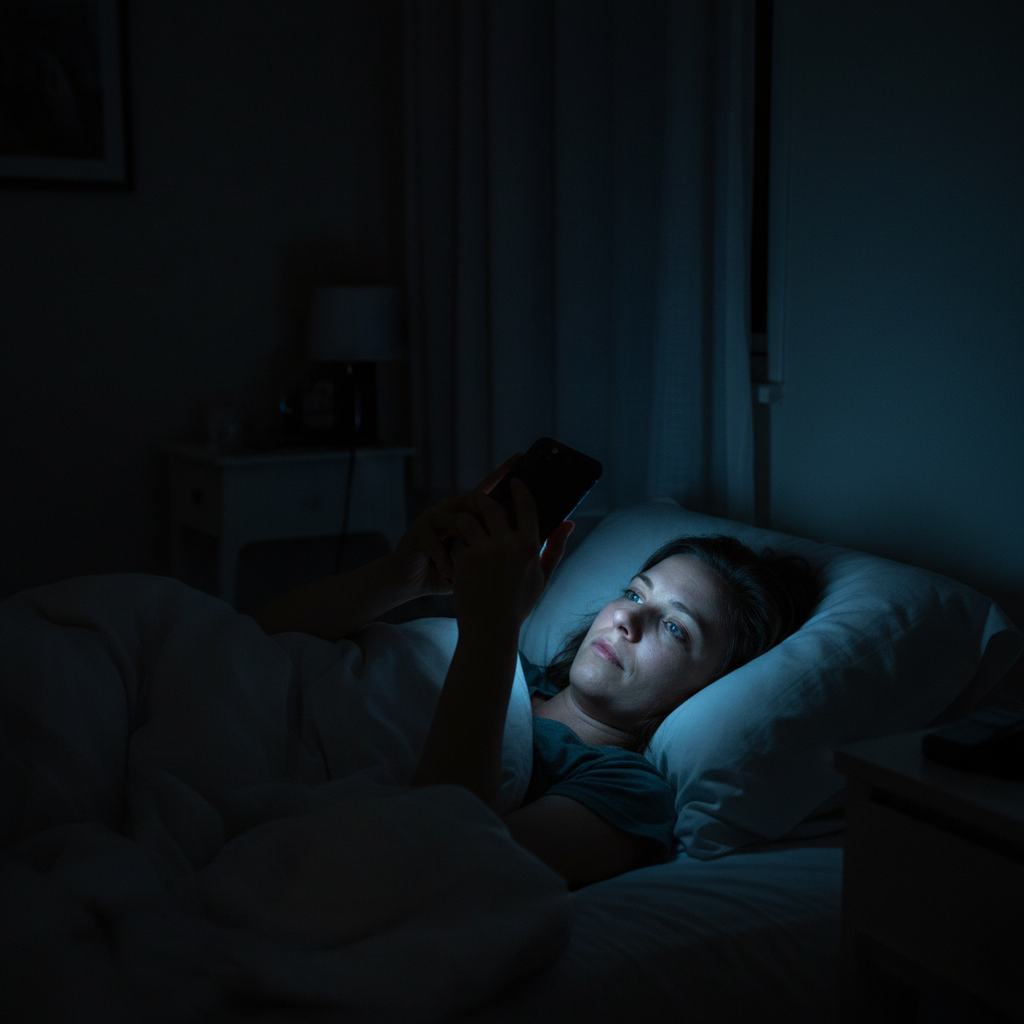
We've all heard it: "Don't look at your phone before bed." And for good reason. The blue light emitted by screens suppresses melatonin production, the hormone our bodies need to signal sleep. But it's more than just light. Engaging with stimulating content – checking emails, scrolling through news feeds, playing games – revs up our brains just when they should be winding down. "It's a double whammy," explains Dr. Lena Khan, a sleep specialist at St. Jude's Medical Center. "The light tells your body it's daytime, and the content keeps your mind buzzing. You're effectively fighting your own biology."
The consequences are profound. Chronic sleep deprivation, even just an hour or two less each night, impairs cognitive function, memory consolidation, and emotional regulation. You're more irritable, less focused, and your ability to learn new things takes a hit. It's a vicious cycle: tired brains reach for more stimulation, often digital, which then further disrupts sleep. It's a significant factor in education and skills development, too, as learning is heavily reliant on good rest.
Emotional Regulation and Mental Well-being: A Delicate Balance
The dopamine hit. That little rush we get from a new like, a clever comment, or a victorious game level. Our brains are wired for reward, and digital platforms are expertly designed to deliver those intermittent, highly addictive bursts. This constant seeking of digital validation can dysregulate our natural reward systems. When real-world interactions don't provide the same immediate, intense gratification, they can feel dull by comparison.
Then there's the comparison trap. Scrolling through perfectly curated lives on social media can foster feelings of inadequacy, anxiety, and even depression. A 2022 study involving thousands of young adults found a 20% increase in self-reported anxiety among those with high levels of social media engagement compared to more moderate users. It's a complex interplay, undoubtedly, but screens often amplify existing vulnerabilities. And it's not just the young; adults also grapple with these same pressures, sometimes without even realizing it.
The Physical Brain: Structural Shifts Under the Surface
Beyond behavior and mood, neuroimaging studies are beginning to reveal actual structural changes in the brains of heavy screen users. Some research has indicated altered gray matter volume in certain brain regions, like the prefrontal cortex, which is responsible for executive functions, and the anterior cingulate cortex, linked to emotion and impulse control. Other studies point to changes in white matter integrity, the brain's connective tissue, which can affect the speed and efficiency of neural communication. It's a bit like watching the brain adapt its internal highways to the traffic it experiences.
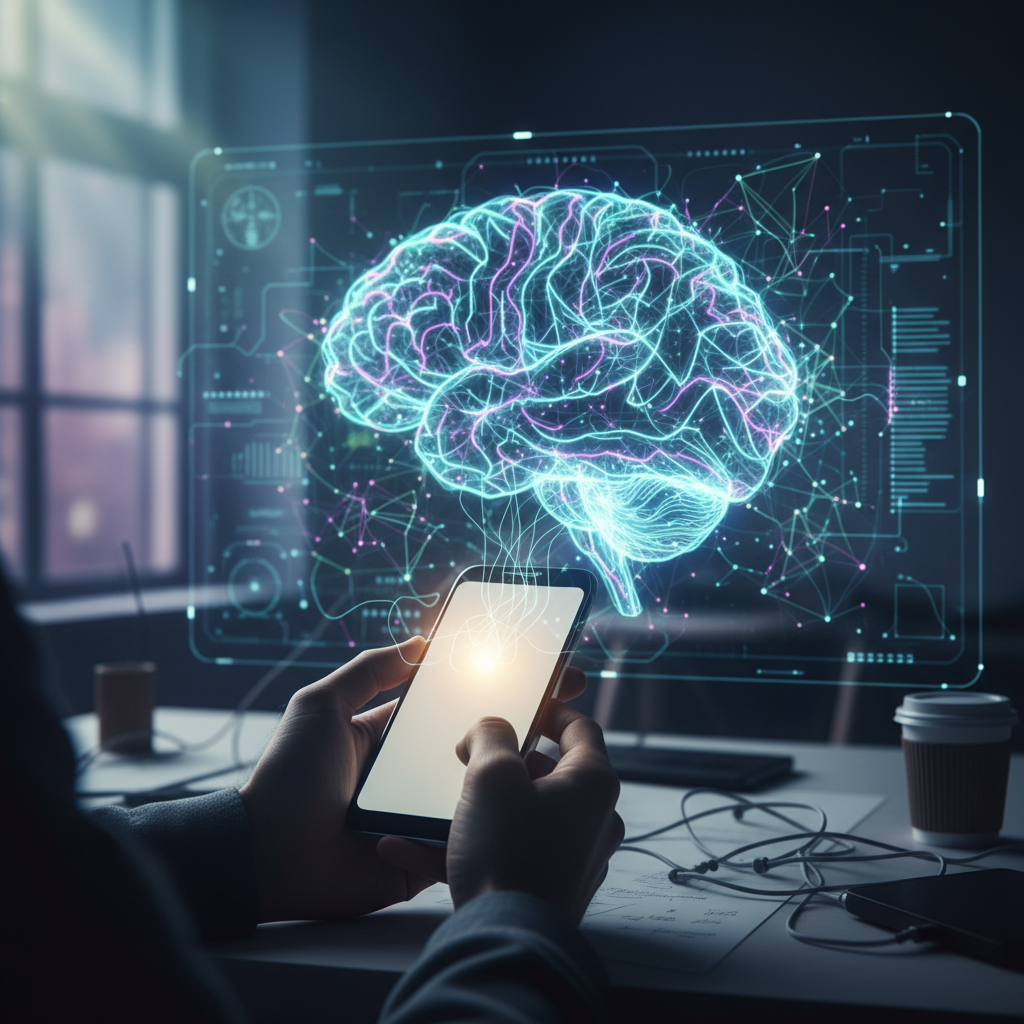
One particularly intriguing area of study involves the default mode network (DMN), a set of brain regions active when our minds are wandering or engaged in self-reflection. Excessive screen time, particularly the constant external stimulation, might reduce the opportunity for the DMN to engage, potentially impacting creativity and introspection. It's still early days for much of this research, but the consistent patterns across multiple studies are certainly raising eyebrows in the scientific community. The way we interact with information is changing rapidly, and AI automation will only accelerate some of these shifts.
Finding the Balance: Strategies for a Healthier Digital Life
So, what's the takeaway? Should we smash our phones and retreat to the wilderness? Of course not. Screens are an undeniable part of our world. The goal isn't elimination, but mindful engagement. It's about conscious choices, not just defaulting to the nearest glowing rectangle.
Here are a few strategies that genuinely make a difference:
- Set Clear Boundaries: Establish screen-free zones in your home (like the dinner table or bedrooms) and screen-free times (like the hour before bed). Stick to them.
- Prioritize Quality Over Quantity: Not all screen time is equal. An hour spent video-calling a grandparent is different from an hour mindlessly scrolling through TikTok. Be discerning about what content you consume.
- Embrace 'Digital Detoxes': Regularly unplug for a few hours, a day, or even a weekend. Reconnect with the analog world: read a physical book, go for a walk, talk to people face-to-face. You'll be surprised how refreshing it feels.
- Model Good Behavior: If you have children, remember they're watching you. Your screen habits often become theirs. Practice what you preach.
- Engage Actively: When using screens for education or work, try to engage actively rather than passively consume. Take notes, ask questions, discuss what you're learning. This helps keep your brain more alert and less prone to passive absorption.
The brain is remarkably plastic, meaning it can adapt and change throughout life. That's good news. It means we're not doomed by our past screen habits. With intentional effort, we can reshape our digital landscape and, in turn, cultivate healthier, more resilient brains. It's a conscious effort, but one that promises significant returns for our well-being and cognitive vitality. It’s also crucial for understanding the broader business economy as our digital habits influence markets and industries.
Frequently Asked Questions:
Are all types of screen time equally harmful? No, definitely not. Passive consumption like watching TV shows tends to be less cognitively demanding than interactive, fast-paced activities like video games or endless social media scrolling, which can be more stimulating and potentially more disruptive to attention and sleep.
Can screen time actually improve brain function? In some contexts, yes. Educational apps, cognitive training games, and certain types of interactive learning tools can enhance problem-solving skills, reaction time, and even spatial reasoning. The key is active engagement and specific, purposeful use rather than passive consumption.
What's the recommended screen time for children? Guidelines vary by age. For children under two, most experts recommend no screen time beyond video calls with family. For preschoolers, one hour of high-quality, co-viewed content is often suggested. Older children and teens benefit from clear boundaries and a focus on educational or creative uses, with parents modeling healthy habits. It’s about balance, not just a hard limit.
Does screen time lead to permanent brain damage? The current scientific consensus doesn't support the idea of permanent brain damage from typical screen use. However, prolonged and excessive screen time, especially during critical developmental periods, can lead to functional and structural changes that impact cognitive abilities and mental health. The brain is remarkably adaptable, so changes are often reversible with altered habits. It’s more about adaptation than irreversible damage.