The Hidden Scramble: Global Powers Vie for Critical Minerals in a Tech-Driven World
A silent battle is raging beneath our feet and inside our devices. Nations are scrambling for essential minerals like lithium and rare earths, powering everything from your smartphone to future clean energy. The stakes couldn't be higher.
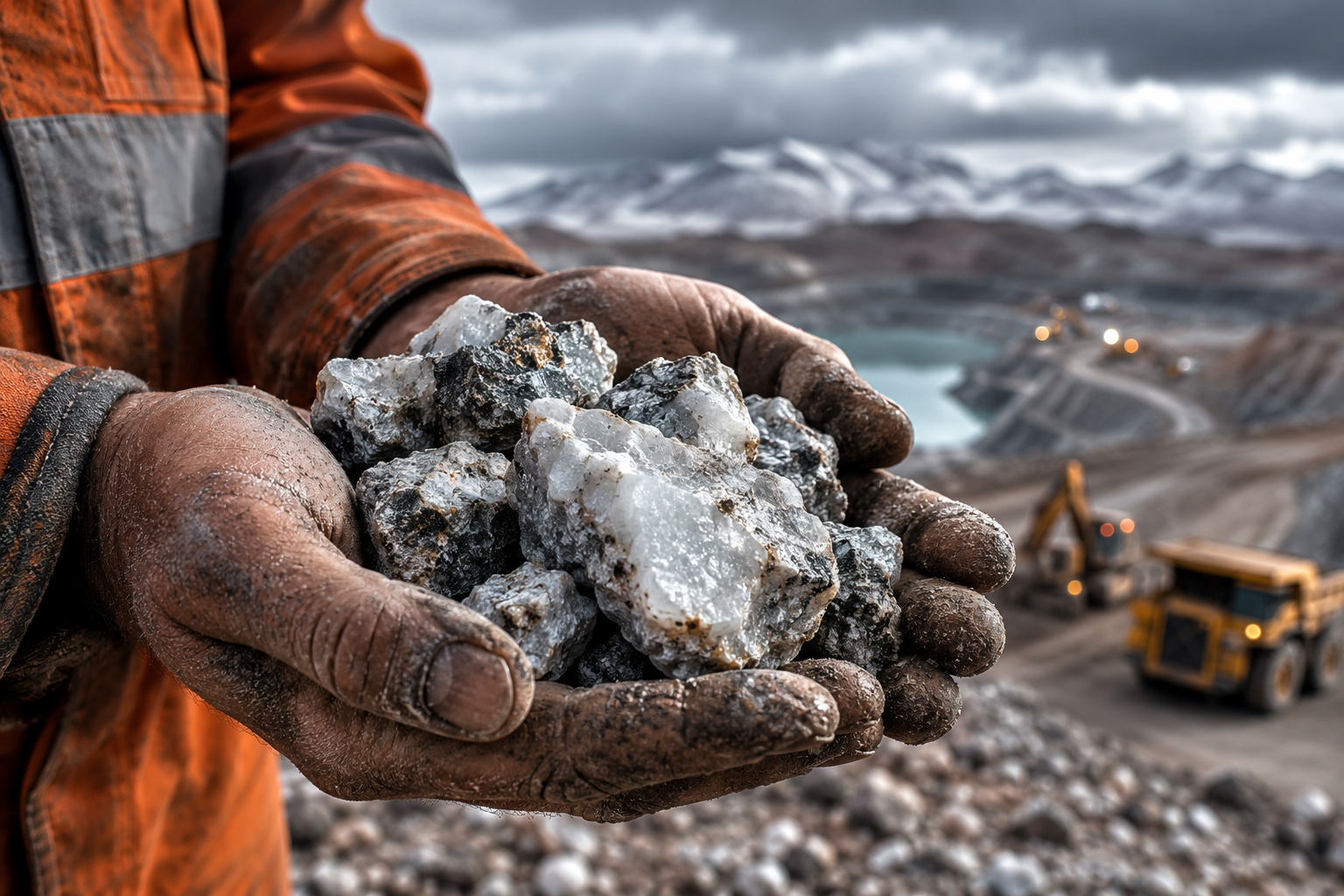
Look around you. The smartphone in your hand, the electric vehicle whirring down the street, the solar panels glinting on a rooftop — they all share a secret. They're built on a foundation of obscure, yet utterly indispensable, minerals. For years, these materials were largely an afterthought in global politics. Now, they're at the heart of an intense, simmering competition, a quiet resource war that's reshaping alliances and rattling supply chains. We're talking about lithium, cobalt, nickel, and the seventeen elements known as rare earths. These aren't just commodities; they're the bedrock of the 21st-century economy, and the race to secure them is accelerating.
It's not that simple, though. This isn't just about digging them out of the ground. The real choke point often lies in the complex, energy-intensive process of refining and processing these raw materials into usable components. That's where the control really gets concentrated, and it's where nations are feeling the pinch.
Key Takeaways:
- Global demand for critical minerals like lithium, cobalt, and rare earths is skyrocketing due to EV and clean energy growth.
- China currently dominates much of the world's processing and refining capacity for these essential materials.
- Western nations are aggressively pursuing new mining projects, recycling initiatives, and technological innovations to diversify supply.
- The geopolitical implications are significant, driving new trade agreements and strategic investments globally.
For decades, the world mostly outsourced the dirty, complex business of mineral processing. Many nations were happy to let others bear the environmental and financial burden. But as the green energy transition picked up speed, so did the realization of an uncomfortable truth: a handful of countries, predominantly China, held a near-monopoly on processing capacity for many of these materials. Take rare earths, for instance. These elements are vital for everything from precision-guided missiles to wind turbine generators and the magnets in electric motors. China accounts for over 60% of global mining and a staggering 85% of processing capacity. That's a lot of eggs in one basket, isn't it?
“The world woke up late, but it’s waking up fast,” explained Dr. Anya Sharma, a mineral supply chain expert at the Imperial Institute of Technology, during a recent virtual conference. “We’ve seen the vulnerabilities exposed by the pandemic, and now nations are looking at their entire strategic material inventory with fresh, anxious eyes. It’s no longer just about oil; it’s about lithium, it’s about cobalt, it’s about gallium.” And she’s right. Just last year, the price of lithium carbonate, a key ingredient for EV batteries, soared by over 400% in a single year, sending shivers through the automotive industry. That kind of volatility makes long-term planning a nightmare for companies and governments alike.
This isn't merely an economic issue; it's a matter of national security and technological sovereignty. Nations want to control their own destiny, especially when it comes to the components that power their defense systems, their communication networks, and their future energy grids. The United States, for example, has designated 50 minerals as "critical" and has initiated various efforts to boost domestic production and processing, as well as forge new partnerships with allies. The Biden administration has committed billions in funding through initiatives like the Defense Production Act to help kickstart mining and refining projects on American soil, or with trusted partners.
Australia, with its vast mineral wealth, is positioning itself as a key alternative supplier, particularly for lithium and rare earths. It’s a delicate dance, balancing economic opportunity with environmental responsibility. Other players, like Canada, Brazil, and even parts of Africa, are seeing renewed interest in their mineral deposits. Everyone wants a piece of the pie, or at least a diversified slice, to avoid being held hostage by a single supplier. The European Union, too, has outlined ambitious plans to secure its own supply chains, recognizing the critical link between raw materials and its ambitious climate goals. They're investing heavily in projects within the EU and looking to secure deals abroad. It’s a fierce global competition that touches every aspect of our modern lives and promises to redefine international trade relations for decades to come.
But this scramble isn't without its challenges. Mining is dirty work. It’s energy-intensive, environmentally impactful, and often generates significant local opposition. Finding new deposits, getting permits, and building mines and processing facilities takes years, sometimes decades. That’s why there’s also a big push towards innovation. Researchers are looking for alternative materials, ways to reduce the amount of critical minerals needed, and, crucially, better methods for recycling. The idea is that the lithium in today's EV battery could become the lithium in tomorrow's battery, reducing the need for new extraction. Companies are pouring money into these areas, understanding that true long-term security lies as much in ingenuity as in digging.
Consider what this means for the global economy. Industries that rely heavily on these materials, from consumer electronics and semiconductors to renewable energy, are facing unprecedented supply pressures. Automakers, for example, are signing direct deals with mining companies, bypassing traditional middlemen, just to guarantee access to lithium and nickel for their battery factories. It's a fundamental shift in how businesses operate and strategize. These resource wars, while not fought with bullets, are certainly fought with boardroom battles, diplomatic maneuvers, and significant financial muscle.
Ultimately, the quest for critical minerals isn't just about securing resources; it's about defining the geopolitical landscape of the future. Who controls the materials controls the technology, and who controls the technology controls the future. It’s a high-stakes game, and every nation is now a player.
Frequently Asked Questions:
What are critical minerals? Critical minerals are raw materials considered essential for a nation's economy and national security, often because their supply chains are vulnerable to disruption. Examples include lithium, cobalt, rare earth elements, nickel, and graphite, vital for modern technologies like electric vehicles, renewable energy systems, and advanced electronics.
Why is China so dominant in critical mineral processing? China strategically invested heavily in the mining and processing infrastructure for critical minerals over decades, often when other nations deemed it uneconomical or environmentally undesirable. This long-term vision gave them a significant head start and established a robust, integrated supply chain that is difficult for other nations to quickly replicate.
What are countries doing to secure critical mineral supplies? Nations are pursuing a multi-pronged approach: investing in domestic mining and processing, forging alliances for diversified sourcing, promoting recycling technologies, and funding research into alternative materials. The goal is to reduce reliance on single suppliers and build more resilient supply chains.
How does this impact the development of clean energy? The reliance on critical minerals directly affects the pace and cost of the global transition to clean energy. Shortages or price volatility can delay the production of electric vehicles, wind turbines, and solar panels, making the shift away from fossil fuels more challenging and expensive. Securing these minerals is paramount for achieving climate goals. The global effort to build a sustainable energy future depends heavily on these materials, illustrating a complex challenge at the intersection of business and economy and environmental stewardship.