Invisible Threat: How Air Pollution Impacts Your Daily Health
That hazy sky isn't just an aesthetic issue. Air pollution is a silent, pervasive threat, infiltrating our bodies daily and chipping away at our health in ways we often don't even realize.

The morning commute used to be just that: a commute. Now, for millions, it’s a silent gamble with their health. A quick glance at the air quality app has become as routine as checking the weather. Is it 'moderate' today, or are we bracing for 'unhealthy for sensitive groups'? This isn't just about a hazy skyline or a cough you can't shake. It's about microscopic particles infiltrating your lungs, your bloodstream, and reshaping your daily life in ways you might not even realize.
Air pollution isn't some abstract problem confined to distant industrial zones. It’s right here, in our cities, our suburbs, and even our homes. It's the exhaust from the bus, the fumes from the factory down the road, the smoke from that distant wildfire, or even the chemicals from household cleaners. And its impact on our health? It’s far more insidious and widespread than many people grasp, touching everything from our breathing to our heartbeats, and even our cognitive function.
Key Takeaways:
- Air pollution is a pervasive threat affecting everyone, from respiratory issues to heart disease and even neurological function.
- Microscopic particles like PM2.5 are especially dangerous, capable of penetrating deep into the body and causing systemic damage.
- Vulnerable groups, including children, the elderly, and those with existing conditions, face significantly heightened risks from poor air quality.
- Daily awareness, personal protective measures, and advocating for cleaner air policies are crucial steps in mitigating its widespread impact.
At the heart of the problem are particulate matter (PM), especially PM2.5. These are tiny particles, 30 times smaller than the width of a human hair, floating in the air we breathe. They come from vehicle emissions, industrial processes, construction sites, and even burning wood. Because they’re so incredibly small, they bypass our body's natural defenses, like the hairs in our nose and throat, and lodge deep within our lungs. From there, it’s a short jump into the bloodstream, where they can travel throughout the body, wreaking havoc wherever they go. And that’s a major problem for everyone, young and old.
“We see a noticeable uptick in emergency room visits for asthma attacks and COPD flare-ups on days with elevated PM2.5 levels,” explains Dr. Elena Petrova, a pulmonologist at St. Jude's Medical Center. “It’s not a coincidence. These particles irritate the airways, trigger inflammation, and make it incredibly difficult for people with pre-existing conditions to breathe. For some, it’s life-threatening.” Think about it: a seemingly normal day outside could be sending someone to the hospital. It truly is that serious.
But it’s not just about the lungs. The cardiovascular system takes a brutal hit too. When these tiny particles enter the bloodstream, they don’t just sit there. They trigger inflammation, which can narrow arteries and make blood clots more likely. This significantly elevates the risk of heart attacks and strokes. Dr. Marcus Thorne, a leading cardiologist at City General Hospital, has seen this connection firsthand. “People often associate heart disease with diet and exercise, and rightly so,” Thorne told us. “But air pollution is a silent killer, contributing significantly to heart attacks and strokes, especially in those already at risk. We're talking about a 5% to 10% increase in cardiovascular mortality on high pollution days in some studies. It's a risk factor that's often overlooked but incredibly potent.”
The impact doesn’t stop there. Emerging research is painting an even grimmer picture, suggesting air pollution can even affect our brains. Studies are linking long-term exposure to cognitive decline, increased risk of stroke, and even mental health issues like anxiety and depression. It’s a terrifying prospect, the idea that the very air we breathe could be dulling our minds or exacerbating mental health struggles. This is a public health crisis that needs urgent attention across multiple fronts, including public health strategies and urban planning.
And who bears the brunt of this invisible assault? Children are particularly vulnerable. “Their lungs are still developing, and they breathe more air per pound of body weight than adults,” notes Dr. Sarah Jenkins, an environmental health specialist. “Long-term exposure can lead to reduced lung function and an increased risk of chronic respiratory diseases later in life. Imagine a child growing up in a heavily polluted area. They’re starting life at a disadvantage, purely because of the air they’re forced to breathe.” The elderly, pregnant women, and individuals with existing heart or lung conditions also face heightened risks, experiencing more severe symptoms and a higher chance of hospitalization or even premature death.
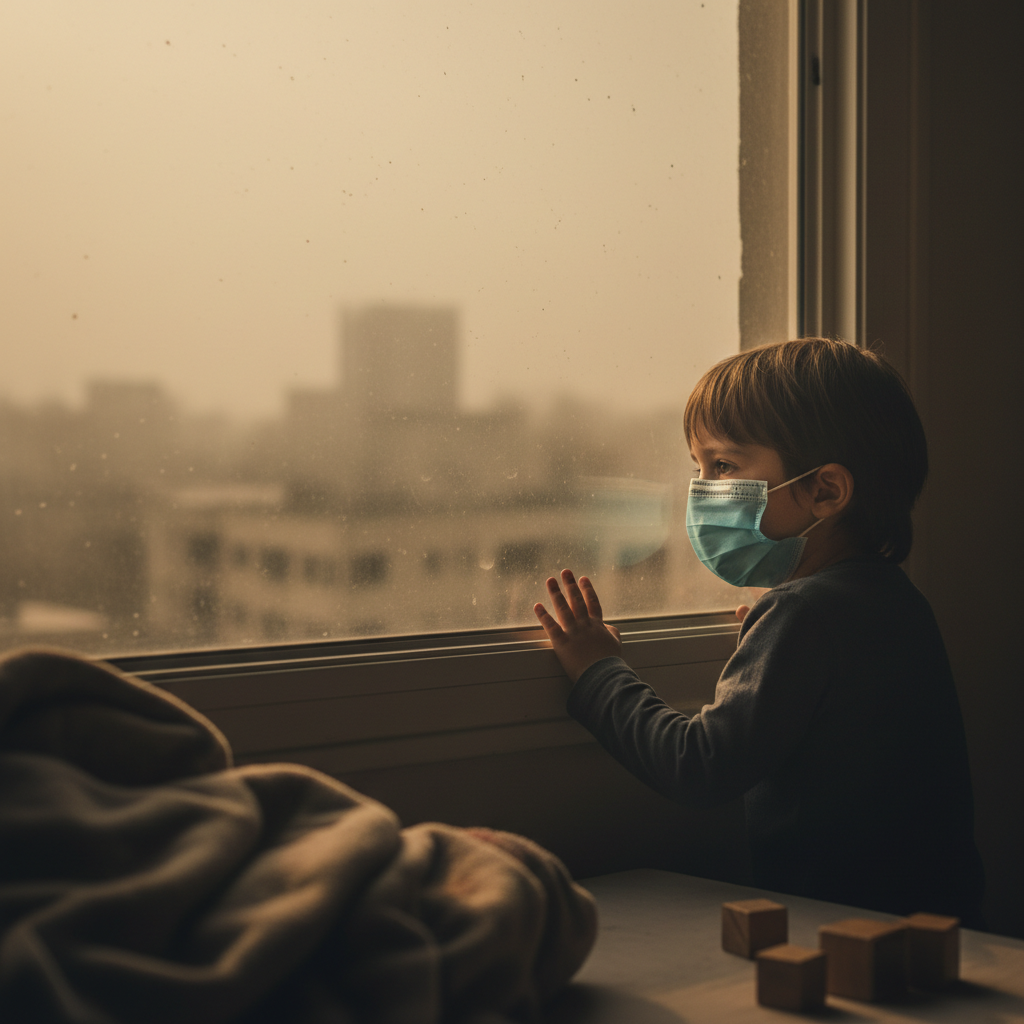
It’s not that simple, though. We’re not entirely helpless against this omnipresent threat. There are steps we can take, both individually and collectively. On a personal level, staying informed is key. Regularly checking your local Air Quality Index (AQI) can help you make informed decisions. On days with high pollution, it might mean limiting strenuous outdoor activities, keeping windows closed, or using an air purifier indoors. Wearing a high-quality mask, like an N95, can also offer a layer of protection when you can't avoid going outside in polluted environments. These small adjustments can significantly reduce your personal exposure.
Beyond individual actions, there’s a critical need for broader societal change. Stronger environmental regulations are essential, pushing industries to adopt cleaner technologies and reducing vehicle emissions through promoting public transport, cycling, and electric vehicles. Investment in green infrastructure, like urban forests and parks, can also help filter pollutants from the air. This requires a concerted effort from policymakers, businesses, and communities alike. It’s about recognizing air quality not as an environmental niche, but as a fundamental aspect of daily human health and well-being.
We’ve seen some progress in recent decades, particularly in developed nations that have implemented stricter pollution controls. But the battle is far from over. As urbanization continues globally, and as new challenges like climate change-fueled wildfires become more common, the fight for clean air is more important than ever. It's a long road, but it’s one we absolutely must travel. Our daily health, our children’s futures, and the well-being of our planet depend on it. This isn't just about 'the environment'; it’s profoundly about us and our ability to thrive.
Frequently Asked Questions:
-
What are the most dangerous types of air pollution? Particulate matter, especially PM2.5, is considered the most dangerous due to its ability to penetrate deep into the lungs and bloodstream. Ground-level ozone, nitrogen dioxide, and sulfur dioxide are also significant threats, each with distinct negative health impacts.
-
How can I protect myself from air pollution on bad air quality days? On days with high pollution, limit outdoor activities, especially strenuous ones. Keep windows closed, use indoor air purifiers, and consider wearing an N95 mask if you must be outside. Check your local Air Quality Index (AQI) for daily guidance.
-
Does air pollution only affect people with existing respiratory conditions? No, while those with existing conditions are more vulnerable, air pollution affects everyone. Healthy individuals can experience symptoms like coughing, shortness of breath, and eye irritation, and long-term exposure can increase their risk of developing chronic respiratory, cardiovascular, and even neurological diseases.
-
Can air pollution impact mental health? Yes, emerging research suggests a link between long-term exposure to air pollution and adverse mental health outcomes. Studies have indicated connections to increased rates of anxiety, depression, and even cognitive decline, highlighting another insidious dimension of this environmental challenge.